

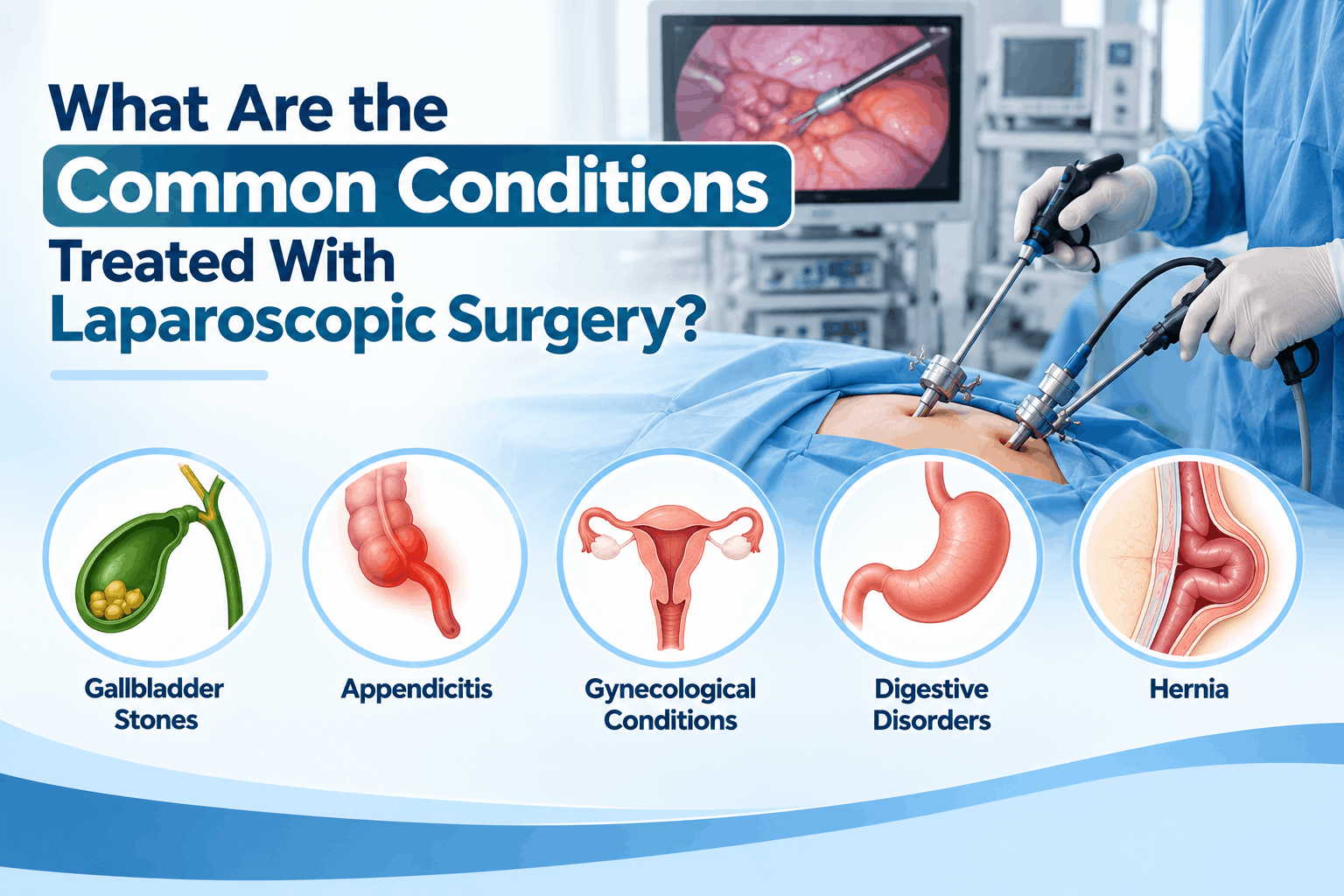
What Are the Common Conditions Treated With Laparoscopic Surgery?
Laparoscopic surgery is a modern surgical technique that allows doctors to treat several abdominal conditions through small cuts instead of one large incision. A thin camera called a laparoscope helps the surgeon see inside the abdomen and perform the procedure with specialised instruments.
What Are the Common Conditions Treated With Laparoscopic Surgery? It is commonly used for conditions such as appendicitis, hernia, gallbladder problems, and some other abdominal conditions. The exact procedure depends on the patient’s symptoms, diagnosis, overall health, and the surgeon’s assessment.
For patients looking for advanced surgical care, understanding when laparoscopic surgery may be recommended can help them make informed decisions about their treatment.
What Is Laparoscopic Surgery?
Laparoscopic surgery is a minimally invasive surgical technique. Instead of making a large opening, the surgeon usually makes a few small incisions through which a camera and surgical instruments are inserted.
The camera provides a magnified view of the surgical area on a monitor. This allows the surgeon to perform the required procedure while limiting the size of the external incisions.
Depending on the condition, laparoscopic surgery may offer benefits such as smaller scars, less postoperative discomfort, shorter hospital stays, and a faster return to normal activities. However, the suitability of laparoscopic surgery differs from patient to patient.
Which Conditions Can Be Treated With Laparoscopic Surgery?
1. Appendicitis
Appendicitis occurs when the appendix becomes inflamed. It can cause pain, often beginning around the belly button and later becoming more noticeable in the lower right side of the abdomen. Fever, nausea, vomiting, and loss of appetite may also occur.
In suitable patients, the appendix can be removed using laparoscopic surgery. The procedure is known as a laparoscopic appendectomy.
People searching for Appendix Treatment in Dombivli should seek medical evaluation promptly when symptoms suggest appendicitis because delaying treatment can increase the risk of complications.
2. Hernia
A hernia develops when an internal organ or tissue pushes through a weak area in the surrounding muscle or connective tissue. Common types include inguinal, umbilical, and incisional hernias.
Some hernias can be repaired using laparoscopic techniques. The surgeon places specialised instruments through small incisions and repairs the weakened area, often using surgical mesh when appropriate.
Patients who require specialised hernia care can learn more about a Best Hernia Surgeon and the available surgical options before deciding on treatment.
3. Gallbladder Problems
Gallstones are a common condition affecting the gallbladder. Some people have no symptoms, while others may experience pain in the upper right or upper middle abdomen, particularly after eating fatty meals.
When gallstones cause repeated symptoms or complications, gallbladder removal may be recommended. Laparoscopic cholecystectomy is a commonly used minimally invasive procedure for removing the gallbladder.
The decision to operate depends on the patient’s symptoms, test results, and overall medical condition.
4. Certain Abdominal Conditions
Laparoscopic techniques may also be used for selected abdominal and pelvic procedures. The approach depends on the location and severity of the condition and whether minimally invasive surgery is appropriate.
A surgeon first evaluates the patient’s medical history and diagnostic reports before recommending a particular surgical technique.
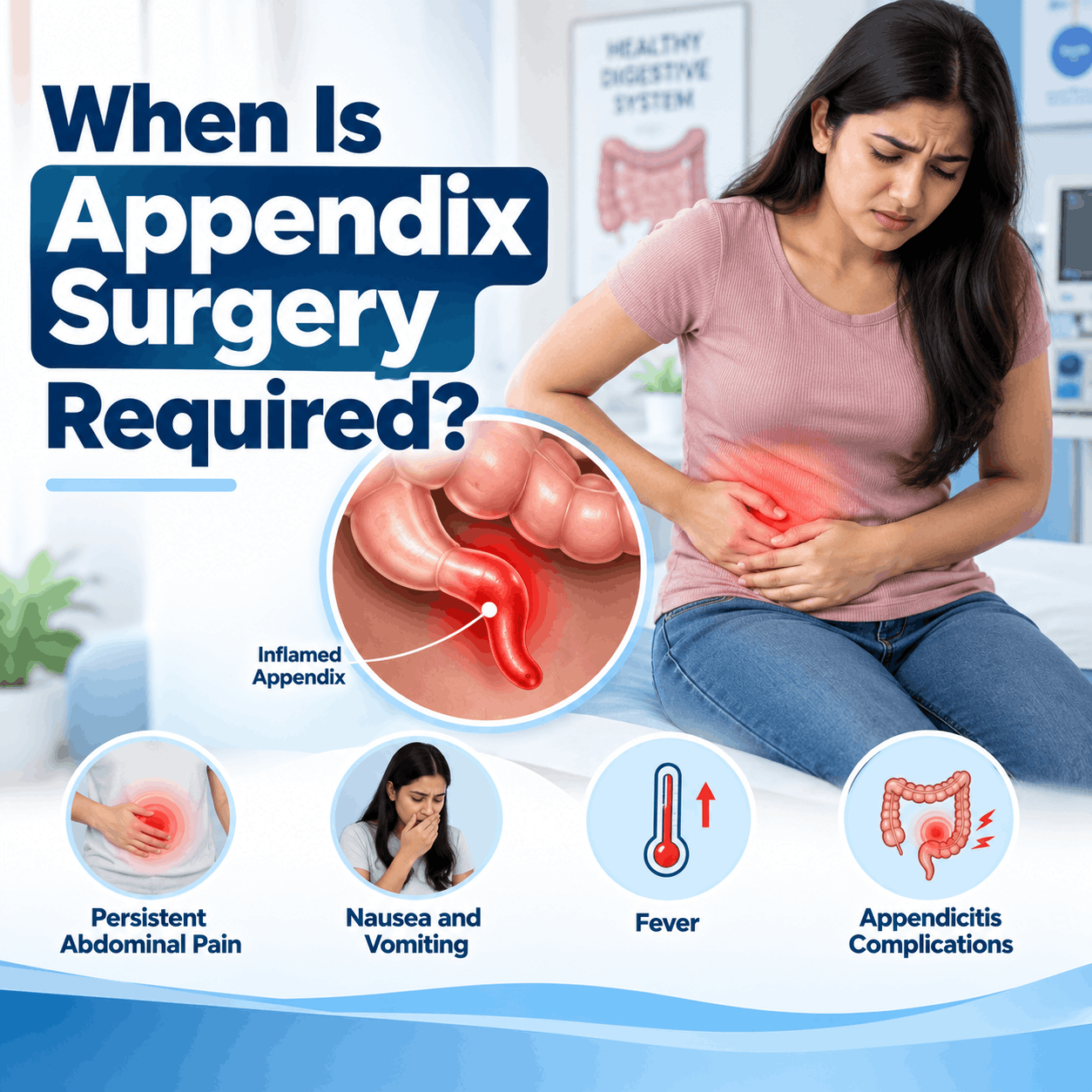
When Is Appendix Surgery Required?
Not every episode of abdominal pain is caused by appendicitis. However, untreated appendicitis can sometimes lead to serious complications, including rupture of the appendix and infection within the abdomen.
Patients diagnosed with appendicitis may be advised to undergo surgery depending on their symptoms and clinical condition.
If you are searching for Appendix Specialist Doctors in Dombivli choose a surgical team that can properly evaluate abdominal pain and determine whether surgery is required.
For patients who need Appendix Surgery in Dombivli timely diagnosis is important. The surgeon may recommend blood tests, an ultrasound, CT scan, or other investigations depending on the patient’s symptoms.
What Is an Appendectomy?
An appendectomy is a surgical procedure used to remove an inflamed appendix. It can be performed through traditional open surgery or through a laparoscopic approach.
During laparoscopic appendectomy, the surgeon makes small incisions and uses a camera and specialised instruments to identify and remove the appendix. The choice of technique depends on the patient’s condition and the surgeon’s assessment.
People looking for experienced Appendix Doctors in Dombivli should consult a qualified surgeon rather than delaying treatment when symptoms of appendicitis are present.
Is Laparoscopic Appendix Surgery Safe?
Laparoscopic appendix surgery is widely used for suitable patients, but every surgical procedure has potential risks. These may include bleeding, infection, reactions to anaesthesia, or injury to nearby structures.
The risk can vary depending on the severity of appendicitis and the patient’s overall health. When appendicitis has already caused complications, the surgical approach may need to be adjusted according to the situation.
A consultation with an experienced Appendectomy Surgeon in Dombivli can help patients understand the procedure, expected recovery, and possible risks.
What About “Appendix Laser Surgery”?
The term Appendix Laser Surgery in Dombivli is sometimes used by patients when searching online for minimally invasive appendix treatment. However, laparoscopic appendectomy and laser treatment are not the same thing.
Laparoscopic surgery uses a camera and specialised instruments inserted through small incisions. Patients should ask their surgeon exactly which technique is being recommended rather than choosing treatment based only on the term “laser surgery.”
If you are looking for an Appendix Specialist Doctor in Dombivli a proper consultation can help clarify the diagnosis and the most appropriate surgical approach.
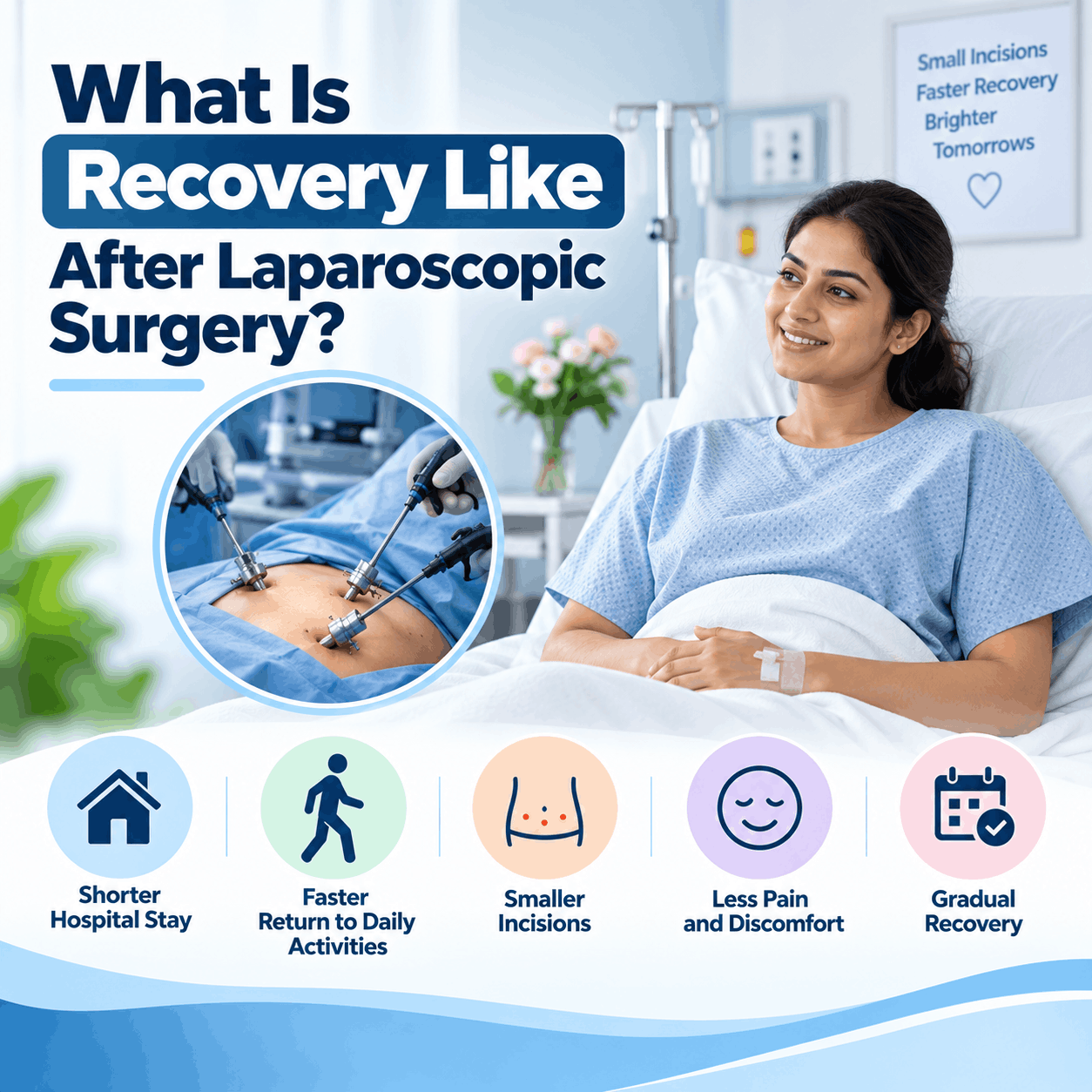
What Is Recovery Like After Laparoscopic Surgery?
Recovery varies depending on the type of surgery and the patient’s health. Because laparoscopic procedures generally involve smaller incisions, some patients may experience less discomfort and return to normal activities sooner than after traditional open surgery.
Mild abdominal discomfort, tiredness, or temporary bloating may occur after certain laparoscopic procedures. Your surgeon will provide specific instructions about food, physical activity, wound care, and follow-up appointments.
When Should You Seek Medical Help?
Severe or persistent abdominal pain should not be ignored. Seek medical attention if abdominal pain is accompanied by fever, repeated vomiting, significant tenderness, abdominal swelling, or worsening symptoms.
In particular, sudden pain in the lower right abdomen with fever or nausea may require urgent evaluation for appendicitis.
Early diagnosis can help doctors determine whether medication, observation, or surgery is the most appropriate option.
Choosing Surgical Care in Dombivli
When selecting a hospital for laparoscopic surgery, consider the surgeon’s experience, available diagnostic facilities, operating-room support, and postoperative care.
A hospital with a multidisciplinary team can also help patients receive appropriate evaluation when symptoms are not immediately linked to one specific condition.
For patients considering hernia surgery, you can explore information about Best Hernia Treatment separately before discussing your options with a qualified surgical team.
Conclusion
Laparoscopic surgery has become an important option for treating several abdominal conditions, including appendicitis, hernia, and gallbladder problems. Its minimally invasive approach can provide smaller incisions and may support a comfortable recovery for suitable patients.
However, the right surgical technique should always be selected after a proper medical evaluation. If you have persistent abdominal pain or symptoms of appendicitis, seeking timely medical attention is important.
Jeevanshree Hospital provides surgical evaluation and care for patients who may require treatment for abdominal and other surgical conditions. A consultation can help you understand your diagnosis, treatment options, and expected recovery.
 Next Post