

How Bariatric Surgery Changes Your Metabolism
Struggling with severe obesity can be incredibly frustrating, especially when traditional dieting and exercise fail to provide lasting results. Many people blame themselves, not realizing that severe weight gain physically alters how their bodies process food and energy. This is where understanding the science of weight loss becomes essential.
The human body is complex, and sometimes it works against your weight loss efforts by lowering your energy burn and increasing hunger hormones. If you are exploring medical solutions at Jeevanshree Hospital, which is also well-known for providing top-notch Appendix Treatment in Dombivli you might be wondering how surgical weight loss actually works. Read on to discover exactly How Bariatric Surgery Changes Your Metabolism and supports healthy, long-term weight loss.
What Is Metabolism?
Metabolism is the complex chemical process your body uses to turn the food you eat into the energy you need to survive. Even when you are resting, your body requires energy for basic functions like breathing, circulating blood, and repairing cells.
To understand metabolism, it helps to know the difference between your Basal Metabolic Rate (BMR) and your active metabolism. Your BMR is the number of calories your body burns at rest to maintain basic life functions. Active metabolism refers to the additional calories you burn through physical movements and exercise.
Several factors affect your metabolic rate, including:
- Age: Metabolism naturally slows down as you get older.
- Gender: Men typically have less body fat and more muscle than women, resulting in a higher BMR.
- Muscle Mass: Muscle tissue burns more calories than fat tissue, even at rest.
- Hormones: Thyroid issues and hormonal imbalances can drastically slow down energy burn.
- Lifestyle: Diet, stress levels, and daily activity significantly impact how your body processes calories.
What Is Bariatric Surgery?
Bariatric surgery is a specialized medical procedure designed to help individuals with severe obesity lose weight. It works by altering the digestive system, which not only restricts the amount of food the stomach can hold but also causes vital metabolic changes. Modern laparoscopic techniques have made these procedures incredibly safe, similar to the routine safety profile of a standard Appendix Surgery in Dombivli
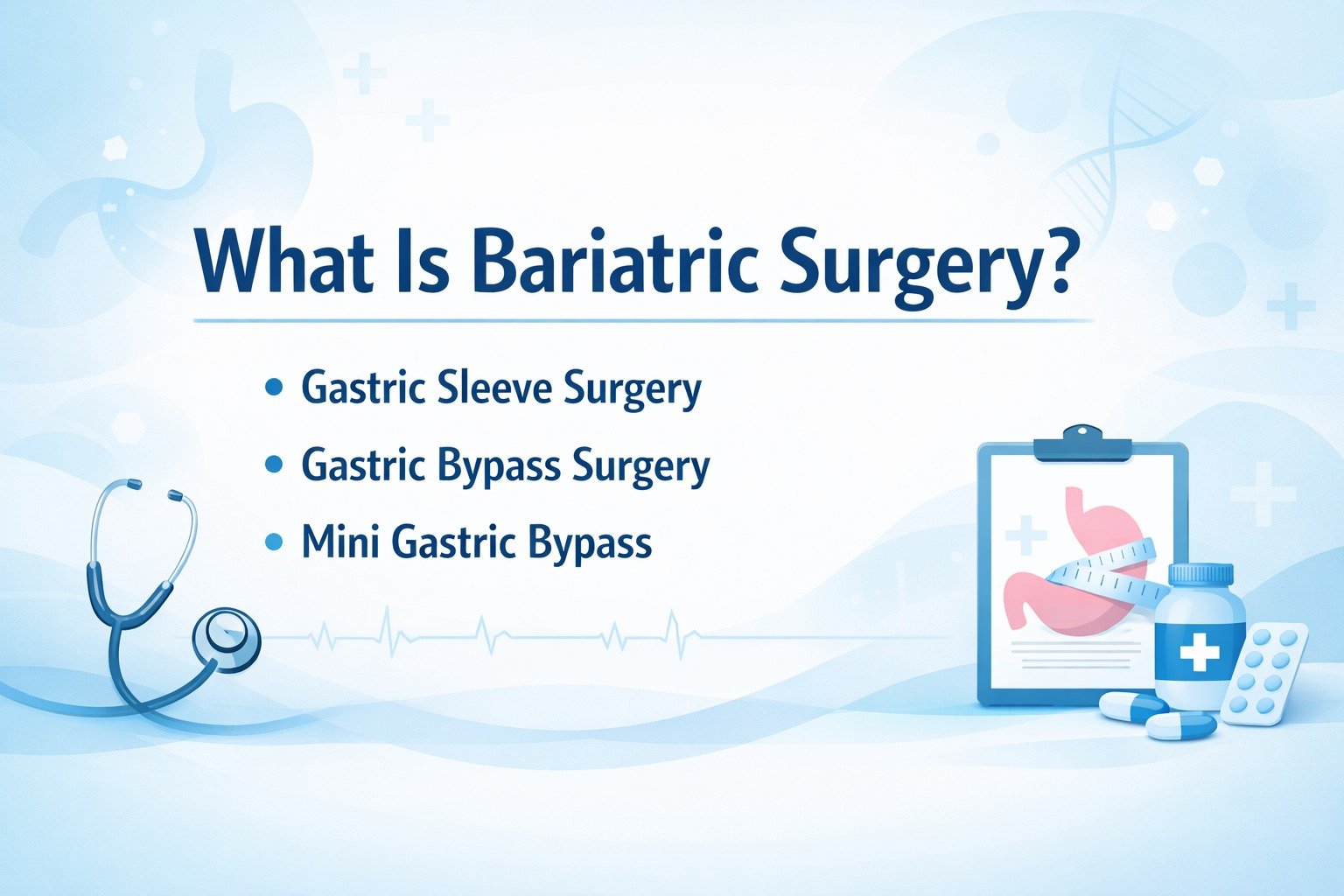
There are several common types of bariatric surgery:
- Gastric Sleeve Surgery: A large portion of the stomach is removed, leaving a small, banana-shaped “sleeve.”
- Gastric Bypass Surgery: A small stomach pouch is created and connected directly to the small intestine, bypassing a portion of the digestive tract.
- Mini Gastric Bypass: A simpler, faster variation of the traditional bypass that still offers excellent weight loss results.
A suitable candidate for these procedures typically has a Body Mass Index (BMI) over 35, or a BMI over 30 accompanied by obesity-related conditions like diabetes or high blood pressure.
How Bariatric Surgery Changes Your Metabolism
The true magic of weight loss surgery lies not just in physical restriction, but in a complete metabolic reset. How Bariatric Surgery Changes Your Metabolism is a fascinating biological process that shifts your body from storing fat to burning it.
Changes in Hunger Hormones
The most immediate change is a drastic reduction in hunger. The portion of the stomach removed or bypassed during surgery is responsible for producing ghrelin, the hormone that makes you feel hungry. With ghrelin levels significantly reduced, patients experience much better appetite control and fewer cravings.
Improved Insulin Sensitivity
Obesity often causes insulin resistance, meaning the body struggles to regulate blood sugar. After bariatric surgery, insulin sensitivity improves almost immediately. This allows for better blood sugar regulation and significantly reduces the risk of developing Type 2 Diabetes, or even puts existing diabetes into remission.
Increased Fat Burning
Before surgery, a sluggish metabolism tends to store excess calories as fat. Following the procedure, the body’s internal chemistry shifts. Because calorie intake is lowered and hormonal balances are restored, the body efficiently starts using stored fat for energy instead of breaking down muscle.
Better Energy Balance
Over time, the surgery promotes improved calorie utilization. Instead of conserving energy (which causes lethargy), your body achieves a healthier energy balance. This leads to long-term metabolic improvements, making it easier to sustain an active lifestyle.
Hormonal Changes After Bariatric Surgery
The digestive tract is a major hormone-producing organ. Modifying it through surgery causes a cascade of positive hormonal changes that regulate appetite and weight control.
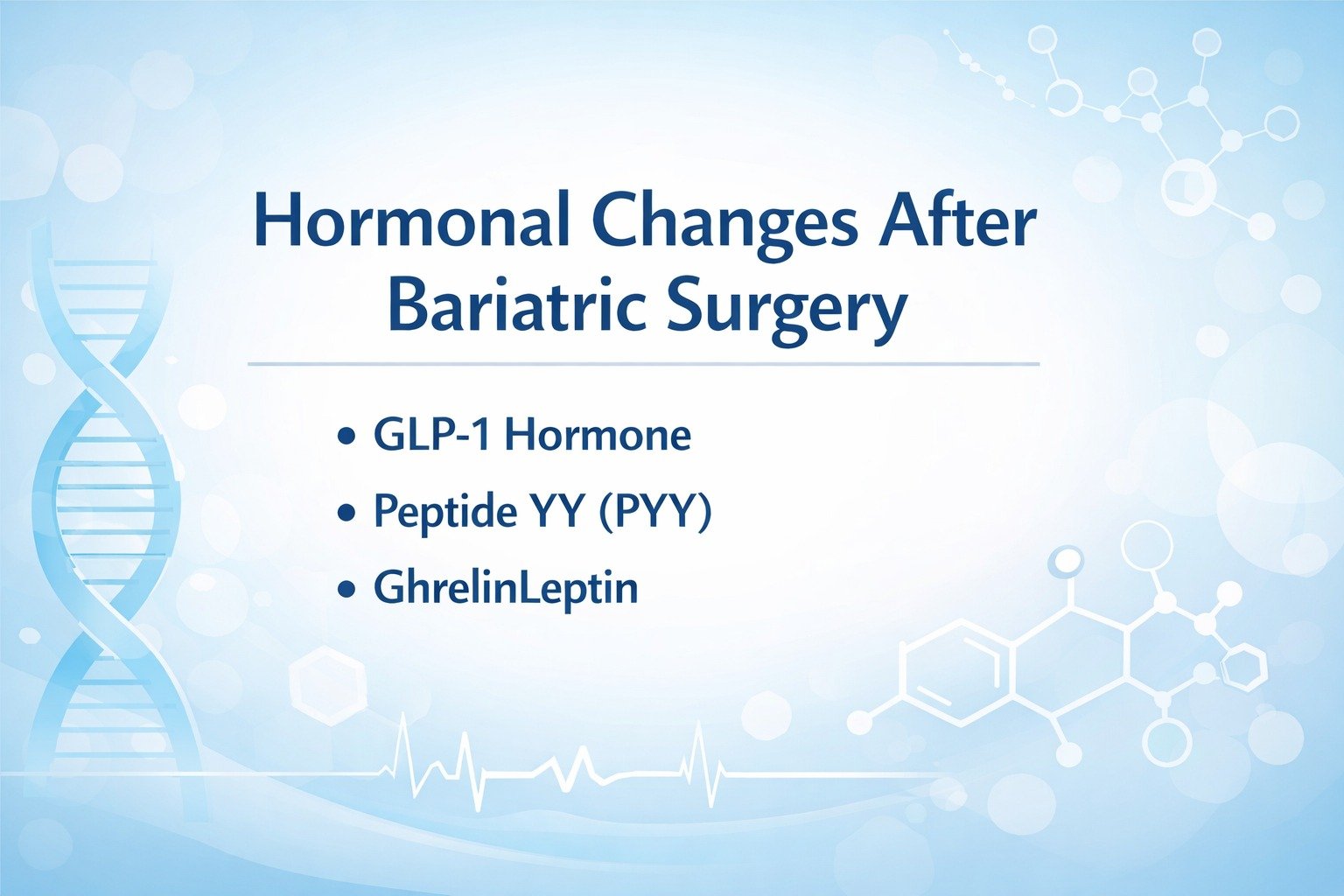
- GLP-1 Hormone: This hormone increases insulin production and sends signals of fullness to the brain. Surgery significantly boosts GLP-1 levels.
- Peptide YY (PYY): PYY reduces appetite and limits food intake. Its production increases after procedures like the gastric bypass.
- Ghrelin: Known as the “hunger hormone,” its levels drop drastically, especially after a Gastric Sleeve procedure.
- Leptin: Produced by fat cells, leptin tells your brain you have enough stored energy. Surgery helps reset leptin sensitivity, stopping the constant urge to overeat.
Metabolism Before vs After Bariatric Surgery
To clearly see the metabolic transformation, compare how the body functions before and after the procedure:
Feature | Before Bariatric Surgery | After Bariatric Surgery |
Hunger Levels | Constant hunger and intense cravings | Significantly reduced hunger |
Insulin Response | Poor insulin sensitivity (high diabetes risk) | Better insulin sensitivity |
Fat Burning | Slow fat burning; stores excess calories easily | Increased fat metabolism and fat oxidation |
Weight Management | Weight regain is extremely common | Easier long-term weight management |
Energy Levels | Often low energy and lethargic | Higher sustained energy throughout the day |
Benefits of Improved Metabolism After Bariatric Surgery
When your metabolism functions correctly, the physical benefits extend far beyond the number on the scale. A healthy metabolism leads to sustainable weight loss, ensuring that the weight stays off for years to come.
Patients also experience better blood sugar control and lower cholesterol levels, drastically reducing the risk of heart disease. Reduced blood pressure is another life-saving benefit of this metabolic reset.
Furthermore, improved energy levels lead to better sleep (often resolving sleep apnea) and reduced joint pain due to less physical strain on the body. Ultimately, this results in a much lower risk of severe obesity-related diseases.
Lifestyle Habits That Support a Healthy Metabolism After Surgery
Surgery is a powerful tool, but it requires lifelong commitment to specific habits to maintain your new metabolic rate. Eating a high-protein diet is crucial, as protein helps maintain muscle mass, which keeps your BMR high.
You must also stay hydrated and engage in regular physical activity. Strength training is particularly important because building muscle directly boosts your metabolism. Furthermore, getting quality sleep allows your hormones to remain balanced.
Because your digestive system has been altered, you must take vitamin and mineral supplements daily to prevent deficiencies. Finally, regular follow-ups with your bariatric surgeon ensure you stay on track. During these visits, you can also inquire about other general surgical needs, as many patients trust their bariatric doctors to recommend the best Appendectomy Surgeon in Dombivli for family members.
If you are also dealing with other abdominal issues like hernias, it is easy to find transparent information. You can check the Hernia Surgery Cost Dombivli directly through the hospital’s resources.
How Long Does It Take for Metabolism to Change?
The timeline for metabolic changes is surprisingly fast. The immediate hormonal changes—such as the drop in hunger hormones—often occur within days of the surgery.
The most rapid weight loss timeline typically happens in the first six to twelve months post-surgery. During this phase, your active metabolism shifts to accommodate a smaller body mass.
Long-term metabolic adaptation takes about 18 to 24 months. At this stage, your weight stabilizes. This makes the importance of maintaining healthy habits critical; your lifestyle choices will dictate how well your new metabolism functions for the rest of your life.
Common Myths About Bariatric Surgery and Metabolism
There is a lot of misinformation surrounding surgical weight loss. It is important to separate fact from fiction.
- Myth: Surgery permanently speeds up metabolism. Fact: It doesn’t necessarily speed it up; it resets and normalizes it, fixing hormonal imbalances that previously prevented weight loss.
- Myth: Surgery is an easy way out. Fact: It requires intense discipline, dietary changes, and lifelong medical compliance.
- Myth: You can eat anything after surgery. Fact: Eating high-sugar or high-fat foods can cause severe discomfort (dumping syndrome) and halt weight loss.
- Myth: Weight regain is impossible. Fact: If you stretch your stomach by overeating or fall back into poor habits, weight regain is absolutely possible.
When Should You Consider Bariatric Surgery?
Bariatric surgery is not for someone looking to lose a quick few pounds. It is a serious medical intervention for those meeting specific BMI criteria (usually 35 or higher).
You should consider this route if you suffer from obesity-related health conditions like severe sleep apnea, hypertension, or Type 2 Diabetes. It is also indicated after multiple failed weight-loss attempts using standard diet and exercise regimens.
Recognizing when to act and understanding the importance of consulting a bariatric surgeon is the first step toward reclaiming your health.
Why Choose Jeevanshree Hospital for Bariatric Surgery?
Finding the right medical facility is vital for your safety and success. Jeevanshree Hospital is home to Dr. Rahul Mahadar, a highly experienced bariatric surgeon who has transformed countless lives. Alongside his weight-loss expertise, he is widely respected as one of the top Appendix Specialist Doctors in Dombivli showcasing a broad mastery of complex abdominal surgeries.
At Jeevanshree, patients have access to advanced laparoscopic and bariatric procedures. The hospital ensures that every patient receives personalized treatment plans tailored to their unique metabolic needs. Additionally, if you need minimally invasive general surgeries, the hospital is fully equipped for Appendix Laser Surgery in Dombivli
You will receive comprehensive pre- and post-surgery care, with a strong focus on long-term weight management. To consult with the experts, you can easily visit the Hernia Specialist Dombivli clinic location for both bariatric and general surgical evaluations.
Conclusion
Understanding How Bariatric Surgery Changes Your Metabolism is the key to achieving permanent weight loss. By fundamentally altering your digestive anatomy, the surgery triggers powerful hormonal shifts that reduce hunger, improve insulin sensitivity, and increase your body’s ability to burn fat.
When combined with a healthy lifestyle, these metabolic changes lead to a longer, healthier, and more active life. Whether you need a consultation for weight loss or are looking for highly rated Appendix Doctors in Dombivli we encourage you to seek expert consultation with Dr. Rahul Mahadar at Jeevanshree Hospital for personalized, compassionate guidance.