

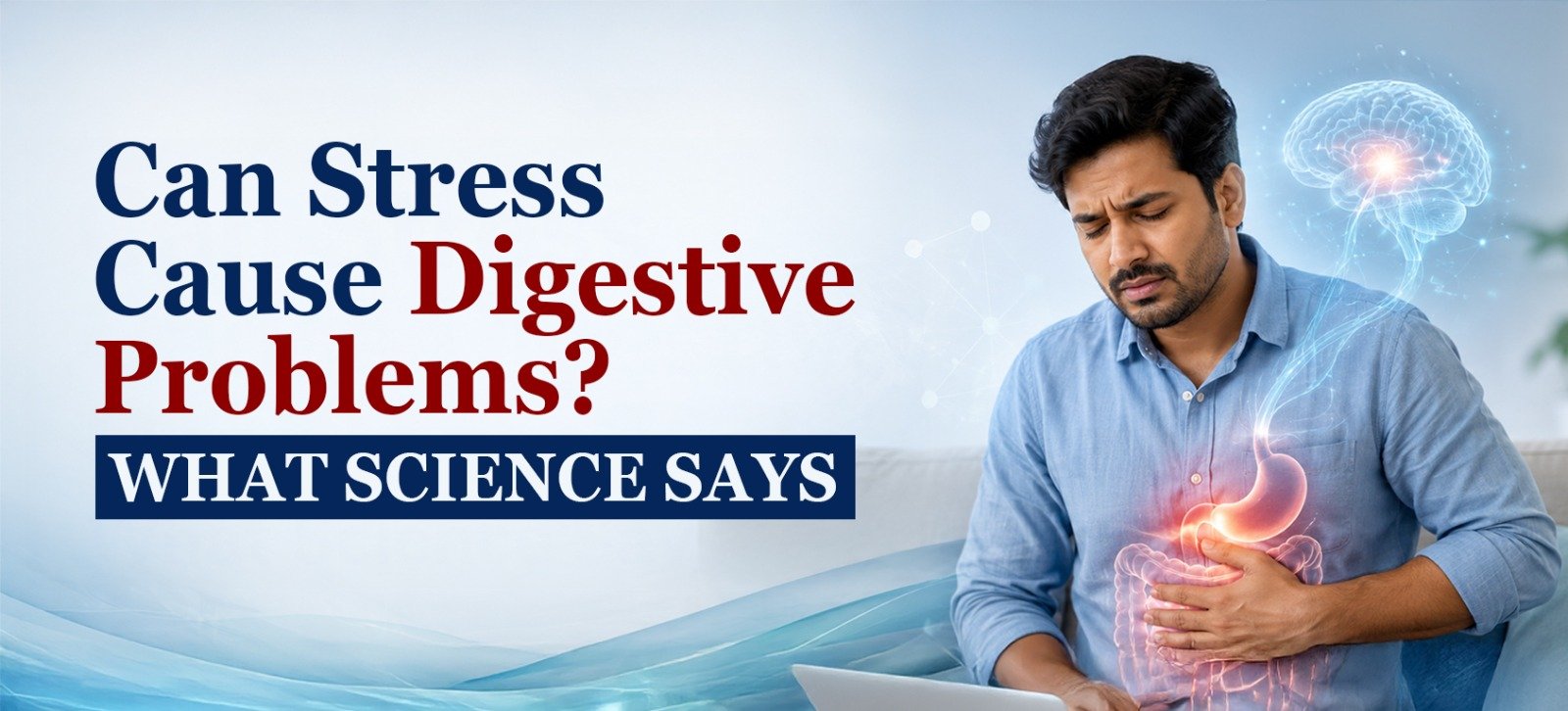
Can Stress Cause Digestive Problems? What Science Says
Stress is a common part of modern life, but many people do not realize how deeply it can affect their digestive health. Can Stress Cause Digestive Problems? What Science Says is a question that doctors hear frequently from patients experiencing stomach discomfort, bloating, acidity, or irregular bowel movements. Scientific research shows that stress can significantly impact the digestive system, leading to both temporary and long-term digestive issues.
The connection between the brain and the digestive tract is known as the “gut-brain axis.” This communication network allows the brain and digestive system to constantly exchange signals. When a person experiences stress, the body releases hormones such as cortisol and adrenaline. These hormones can change the way the digestive system functions, affecting digestion, nutrient absorption, and bowel movements.

How Stress Affects Digestion
When the body is under stress, it enters a “fight or flight” mode. During this response, blood flow is redirected away from the digestive organs toward muscles and other vital organs needed for immediate survival. As a result, digestion slows down or becomes less efficient.
Stress can lead to several digestive symptoms, including:
- Stomach pain
- Bloating
- Nausea
- Acid reflux
- Constipation
- Diarrhea
- Loss of appetite
- Increased appetite
Many people notice that their digestive symptoms worsen during periods of emotional stress, work pressure, examinations, or major life changes.
The Science Behind Stress and Gut Health
Researchers have found that stress can alter the balance of healthy bacteria in the gut. These beneficial bacteria play an important role in digestion, immunity, and overall health. When stress disrupts the gut microbiome, it can contribute to inflammation and digestive discomfort.
Studies also show that chronic stress may increase intestinal sensitivity, making people more likely to experience pain and discomfort even when there is no serious digestive disease present.
This explains why conditions such as Irritable Bowel Syndrome (IBS) often become worse during stressful periods.
Can Stress Cause Serious Digestive Conditions?
Stress alone may not directly cause major digestive diseases, but it can worsen existing conditions and increase the risk of complications. For example:
- Acid reflux may become more frequent.
- IBS symptoms may intensify.
- Stomach ulcers may heal more slowly.
- Inflammatory bowel conditions may flare up.
- Digestive discomfort may persist for longer periods.
It is important to understand that not all abdominal pain is related to stress. Sometimes, severe abdominal pain may indicate a medical condition that requires immediate attention.
For example, conditions requiring Appendix Treatment in Dombivli should never be ignored. Persistent pain in the lower right side of the abdomen may be a sign of appendicitis and requires prompt medical evaluation.
Signs You Should See a Doctor
While occasional digestive discomfort during stressful times is common, certain symptoms should be evaluated by a healthcare professional.
Seek medical attention if you experience:
- Severe abdominal pain
- Persistent vomiting
- High fever
- Blood in stools
- Unexplained weight loss
- Continuous bloating
- Sudden loss of appetite
These symptoms may indicate an underlying condition that requires proper diagnosis and treatment.
Patients looking for experienced Appendix Specialist Doctors in Dombivli should consult a qualified surgeon if appendicitis symptoms are suspected.
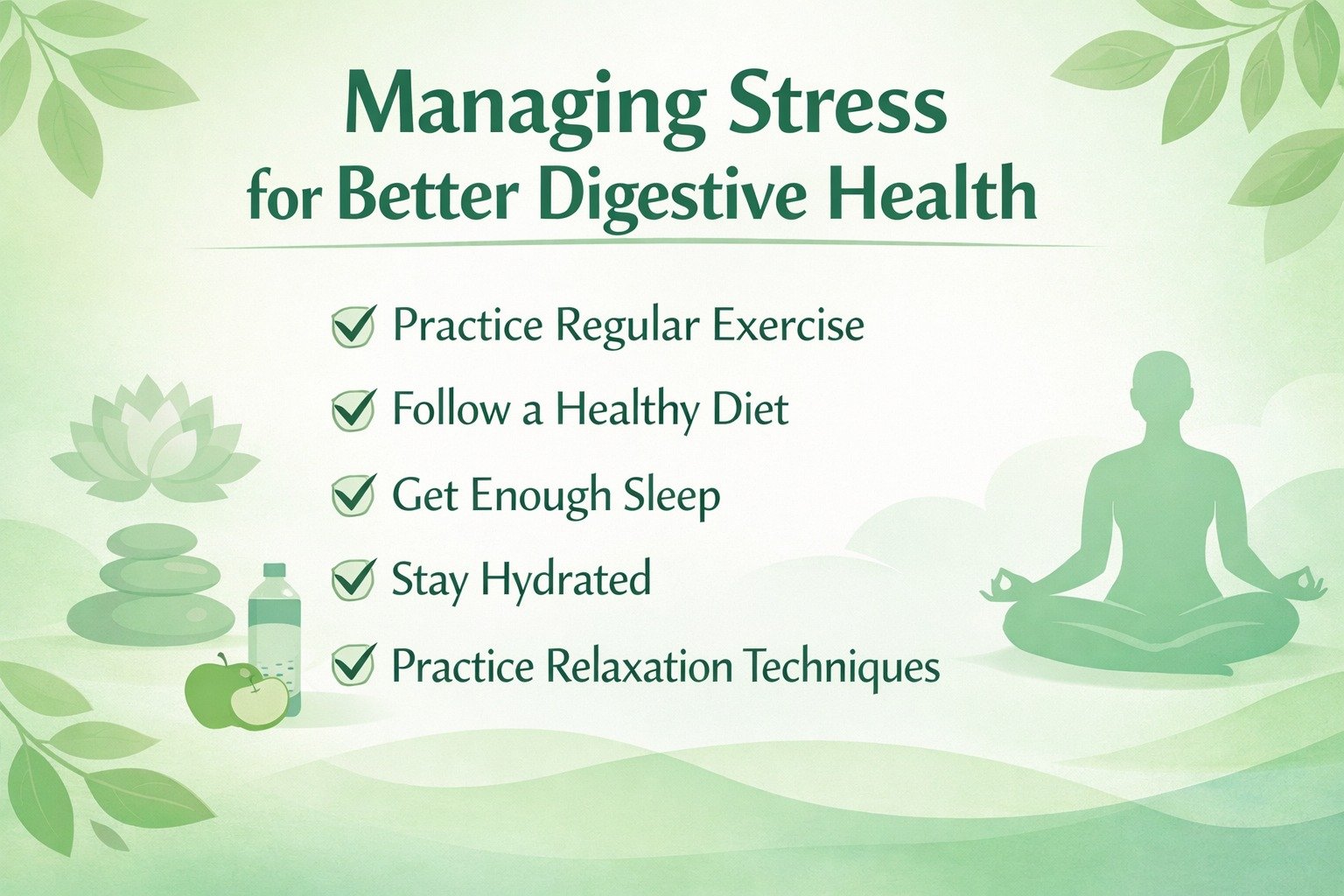
Managing Stress for Better Digestive Health
The good news is that managing stress can significantly improve digestive health. Here are some effective strategies:
1. Practice Regular Exercise
Physical activity helps reduce stress hormones and improves digestion. Even a daily 30-minute walk can make a noticeable difference.
2. Follow a Healthy Diet
Choose foods rich in fiber, fruits, vegetables, and probiotics. Avoid excessive caffeine, spicy foods, and processed foods if they trigger symptoms.
3. Get Enough Sleep
Poor sleep can increase stress levels and worsen digestive issues. Aim for 7–8 hours of quality sleep every night.
4. Stay Hydrated
Drinking enough water supports healthy digestion and prevents constipation.
5. Practice Relaxation Techniques
Meditation, deep breathing exercises, yoga, and mindfulness can help calm the nervous system and support gut health.
When Digestive Pain Is Not Just Stress
Many people assume all abdominal discomfort is caused by stress. However, some digestive problems require surgical treatment.
Conditions such as appendicitis may require Appendix Surgery in Dombivli to prevent complications. Delaying treatment can increase the risk of infection and rupture.
If you experience sudden severe abdominal pain, it is important to seek medical evaluation rather than assuming stress is the cause.
Patients seeking guidance from experienced Appendix Doctors in Dombivli can benefit from early diagnosis and timely treatment.
Modern Surgical Options for Appendix Problems
Advancements in medical technology have made appendix procedures safer and more effective than ever before.
An experienced Appendectomy Surgeon in Dombivli can perform minimally invasive procedures that often result in faster recovery and reduced hospital stays.
Many patients undergoing Appendix Removal Surgery in Dombivli are able to return to their daily activities within a relatively short period, depending on their overall health and recovery progress.
Some people also search for Appendix Laser Surgery in Dombivli although treatment methods are determined based on the patient’s condition and the surgeon’s clinical assessment.
Consulting an experienced Appendix Specialist Doctor in Dombivli ensures that patients receive the most appropriate treatment plan for their condition.
Related Surgical Care
Digestive and abdominal conditions often require expert surgical consultation. Patients dealing with abdominal wall issues can also learn more about Hernia Treatment by visiting:
Hernia Treatment Dombivli
For location and directions regarding Hernia Specialist consultation, visit:
Hernia Specialist Dombivli
Why Choose Dr. Rahul Mahadar?
Dr. Rahul Mahadar is committed to providing comprehensive care for patients suffering from abdominal and digestive conditions. Through accurate diagnosis, patient-centered treatment, and modern surgical techniques, he helps patients achieve better health outcomes and faster recovery.
Whether your symptoms are stress-related or caused by an underlying medical condition, timely consultation can help identify the root cause and ensure appropriate treatment.
Stress and digestion are closely connected through the gut-brain axis. Scientific evidence clearly shows that stress can affect digestive function, leading to symptoms such as bloating, acidity, stomach pain, constipation, and diarrhea. However, it is equally important not to overlook serious digestive conditions that may require medical attention.
If digestive symptoms become persistent, severe, or are accompanied by warning signs, consulting an experienced healthcare professional is the best step toward accurate diagnosis and effective treatment. Understanding the connection between stress and digestive health can help individuals take proactive steps to improve both their mental and physical well-being.