

How to Prevent Constipation and Piles Naturally
Constipation and piles are very common health problems that affect people of all ages. Many people ignore the early symptoms, but delayed treatment can cause pain, discomfort, bleeding, and difficulty during bowel movements. Understanding How to Prevent Constipation and Piles Naturally is important for maintaining digestive health and avoiding complications in the future. Simple lifestyle changes, healthy eating habits, and proper hydration can help reduce the risk of constipation and piles naturally.
Piles, also called hemorrhoids, develop when the veins around the rectum become swollen due to excessive pressure. Chronic constipation is one of the biggest reasons behind piles. When stools become hard, people strain during bowel movements, increasing pressure on rectal veins. Maintaining a healthy digestive system is the best way to avoid this problem.
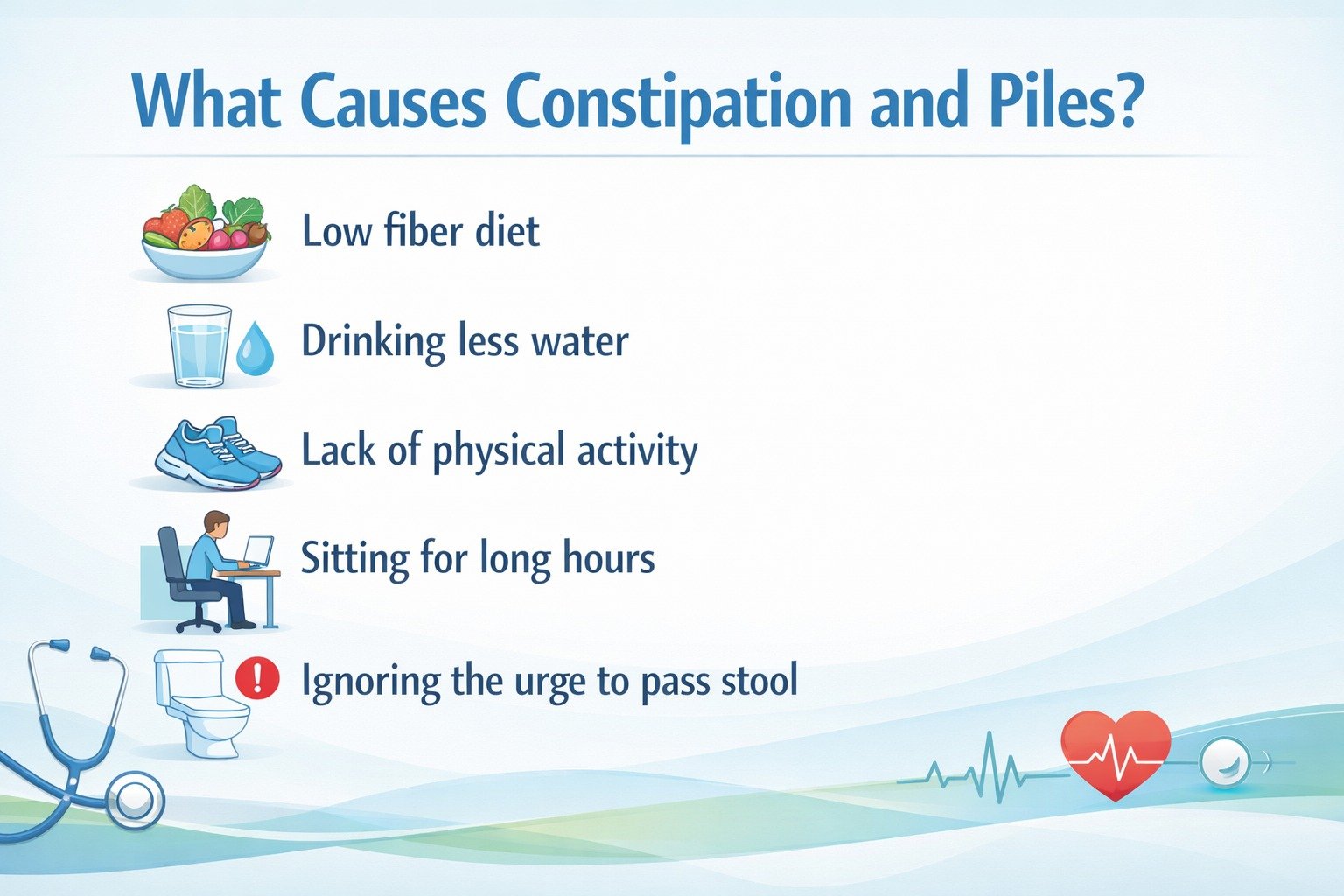
What Causes Constipation and Piles?
Constipation usually happens when bowel movements become infrequent or difficult to pass. Some common causes include:
- Low fiber diet
- Drinking less water
- Lack of physical activity
- Sitting for long hours
- Ignoring the urge to pass stool
- Stress and unhealthy lifestyle
When constipation continues for a long time, it can lead to piles. Excessive straining damages the veins around the anus and causes swelling, itching, pain, or bleeding.
Natural Ways to Prevent Constipation and Piles
1. Increase Fiber Intake
Fiber plays an important role in improving digestion. It softens the stool and helps bowel movements pass easily. Include fiber-rich foods in your daily diet such as:
- Fruits like papaya, apple, banana, and guava
- Green leafy vegetables
- Whole grains
- Oats and brown rice
- Nuts and seeds
A high-fiber diet reduces pressure during bowel movements and helps prevent piles naturally.
2. Drink Plenty of Water
Water keeps the digestive system healthy and prevents hard stools. Drink at least 8–10 glasses of water every day. Proper hydration improves bowel movement and reduces constipation.
You can also include:
- Coconut water
- Fresh fruit juices
- Buttermilk
- Lemon water
Avoid excessive tea, coffee, and alcohol as they may worsen dehydration.
3. Exercise Regularly
Physical activity helps improve digestion and bowel movement. A sedentary lifestyle can slow down the digestive system and increase constipation risk.
Simple exercises include:
- Walking
- Yoga
- Cycling
- Stretching
- Light jogging
Even 30 minutes of daily exercise can improve gut health and reduce pressure on the rectal veins.
4. Avoid Straining During Bowel Movements
Straining is one of the main causes of piles. Never force bowel movements. Go to the toilet when you feel the urge and avoid sitting for too long.
Healthy toilet habits include:
- Do not use mobile phones while sitting in the toilet
- Avoid prolonged sitting
- Maintain proper posture
These small habits can significantly reduce the risk of piles.
5. Maintain a Healthy Weight
Excess body weight increases pressure on the abdominal and rectal veins, leading to piles. Eating a balanced diet and staying physically active helps maintain healthy body weight and digestive health.
6. Reduce Spicy and Processed Foods
Highly processed and spicy foods may irritate the digestive system and worsen constipation or piles symptoms. Limit:
- Fast food
- Fried food
- Packaged snacks
- Excessively spicy meals
Instead, focus on fresh homemade meals for better digestion.
Symptoms You Should Not Ignore
Early diagnosis helps avoid complications. Consult a doctor if you experience:
- Bleeding during bowel movements
- Pain or burning sensation
- Persistent constipation
- Swelling near the anus
- Itching or discomfort
Ignoring symptoms may worsen piles and require medical treatment later.
Medical Treatment for Severe Cases
Natural remedies help prevent mild constipation and piles, but severe cases may require expert medical care. Patients suffering from hernia or digestive-related conditions should seek proper medical guidance from experienced specialists.
If you are searching for the Best Hernia Surgeon in Dombivli professional consultation can help diagnose and treat related abdominal conditions effectively. Many patients also look for the Best Hernia Treatment in Dombivli for safe and advanced surgical care.
Advanced procedures like minimally invasive surgery are now widely available. Expert consultation from a skilled Hernia Doctor in Dombivli or Best Hernia Doctor in Dombivli can help patients recover faster with minimal discomfort.
People searching for a trusted Hernia Specialist in Dombivli often prefer laparoscopic procedures because they involve smaller cuts, less pain, and faster healing.
Learn more about advanced laparoscopic treatment here:
Laparoscopic Doctor Dombivli
You can also check location and consultation details here:
Laparoscopic Surgery Cost Dombivli
Understanding Hernia and Digestive Health
Digestive problems and increased abdominal pressure can sometimes contribute to hernia development. Conditions like chronic constipation, excessive straining, obesity, and heavy lifting may weaken the abdominal muscles over time. Early medical attention helps prevent complications and supports faster recovery.
Many patients look for reliable options for Hernia Surgery in Dombivli to get advanced and minimally invasive treatment. Modern surgical techniques help reduce pain, improve recovery time, and lower the risk of recurrence.
People are also concerned about the Hernia Treatment cost in Dombivli before planning surgery. The overall treatment cost may vary depending on the type of hernia, severity of the condition, diagnostic tests, hospital facilities, and the surgeon’s expertise.
Another commonly searched term is Hernia Surgery Cost in Dombivli as patients want affordable and effective treatment options. Consulting an experienced specialist helps patients understand the treatment process, estimated expenses, and recovery expectations clearly.
Early diagnosis and timely treatment play an important role in preventing complications and improving long-term health outcomes.
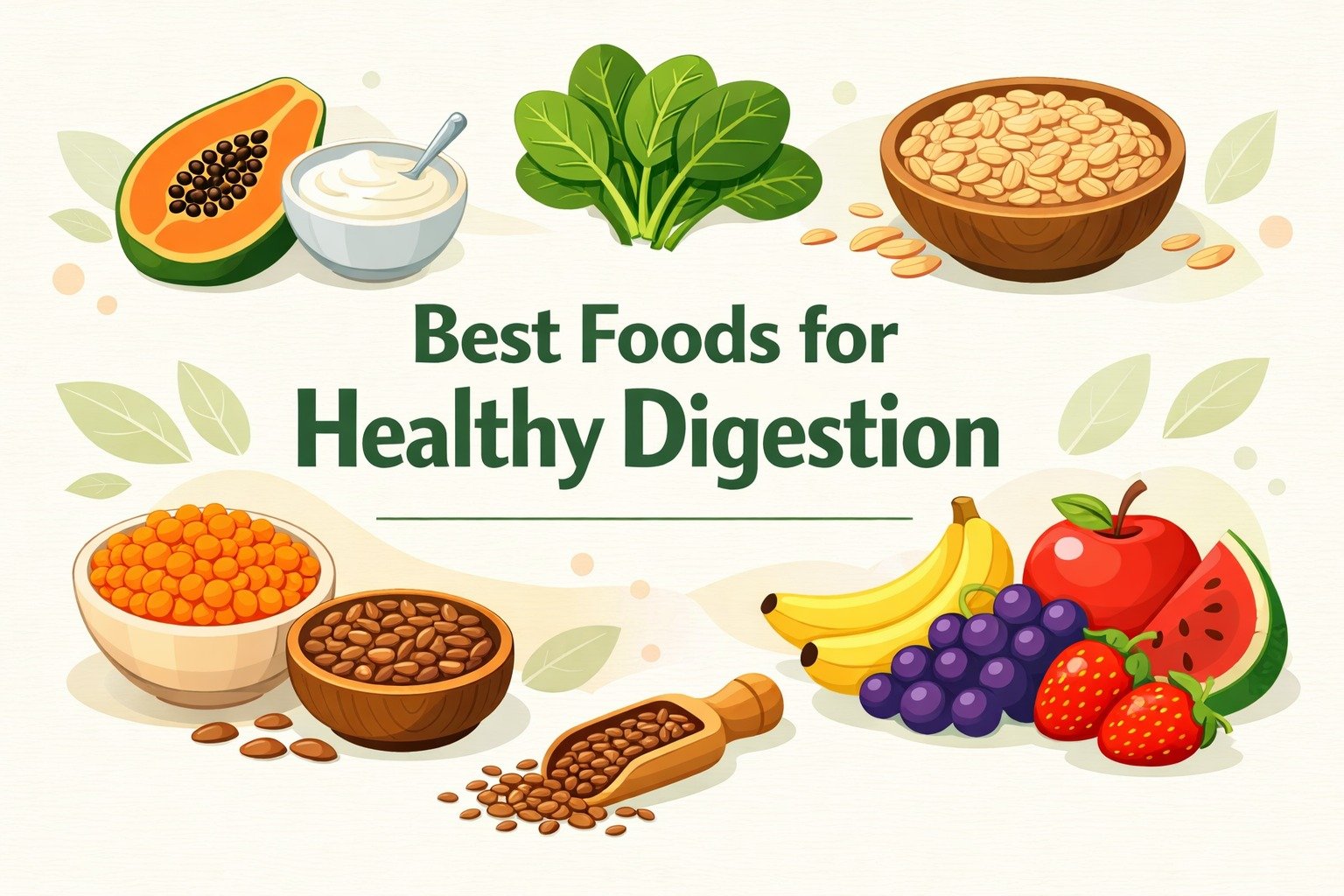
Best Foods for Healthy Digestion
Adding the following foods to your diet can improve bowel health naturally:
- Papaya
- Yogurt
- Spinach
- Oats
- Lentils
- Flax seeds
- Fresh fruits
These foods support healthy digestion and reduce constipation risk.
Lifestyle Habits for Long-Term Prevention
Healthy daily habits can protect you from constipation and piles:
- Wake up early and maintain a regular routine
- Eat meals on time
- Avoid skipping breakfast
- Sleep properly
- Reduce stress through yoga or meditation
Consistency in lifestyle changes gives better long-term results.
Conclusion
Constipation and piles can affect daily comfort and quality of life, but they are often preventable with simple lifestyle changes. Following healthy eating habits, drinking enough water, exercising regularly, and avoiding straining during bowel movements are the best ways to maintain digestive health naturally.
Understanding How to Prevent Constipation and Piles Naturally can help you avoid pain and complications in the future. If symptoms continue or become severe, consulting experienced medical professionals at Jeevashree Hospital is important for proper diagnosis and treatment.