

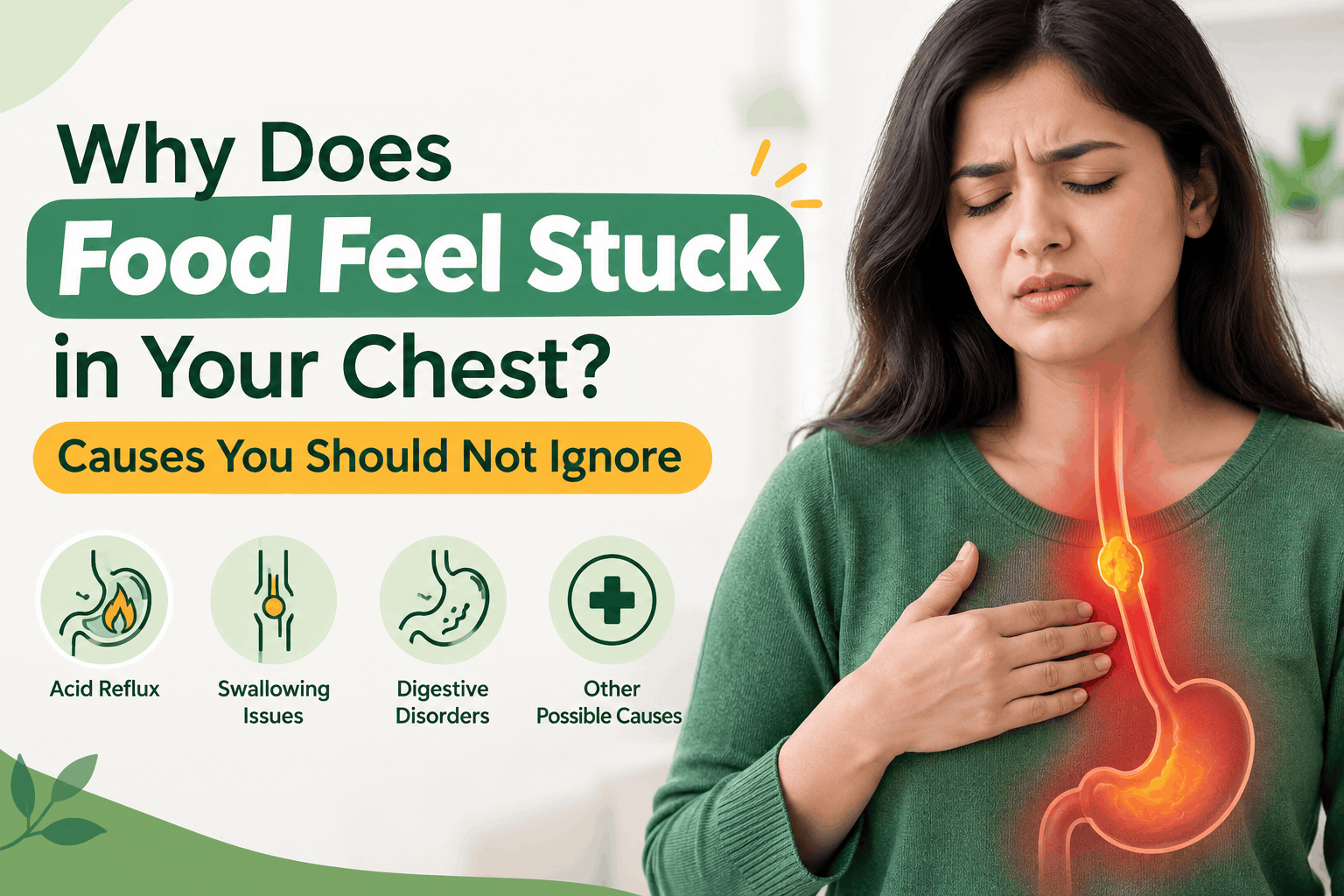
Why Does Food Feel Stuck in Your Chest? Causes You Should Not Ignore
Have you ever felt that food gets stuck in your chest while eating or that swallowing takes more effort than usual? Why Does Food Feel Stuck in Your Chest? Causes You Should Not Ignore is an important question because this sensation may be linked to acid reflux, narrowing of the food pipe, or problems with the muscles that help food move towards the stomach. Although occasional discomfort may have a simple explanation, repeated difficulty swallowing should not be ignored. Understanding the possible causes can help you seek timely medical advice from a qualified doctor at Jeevanshree Hospital in Dombivli.
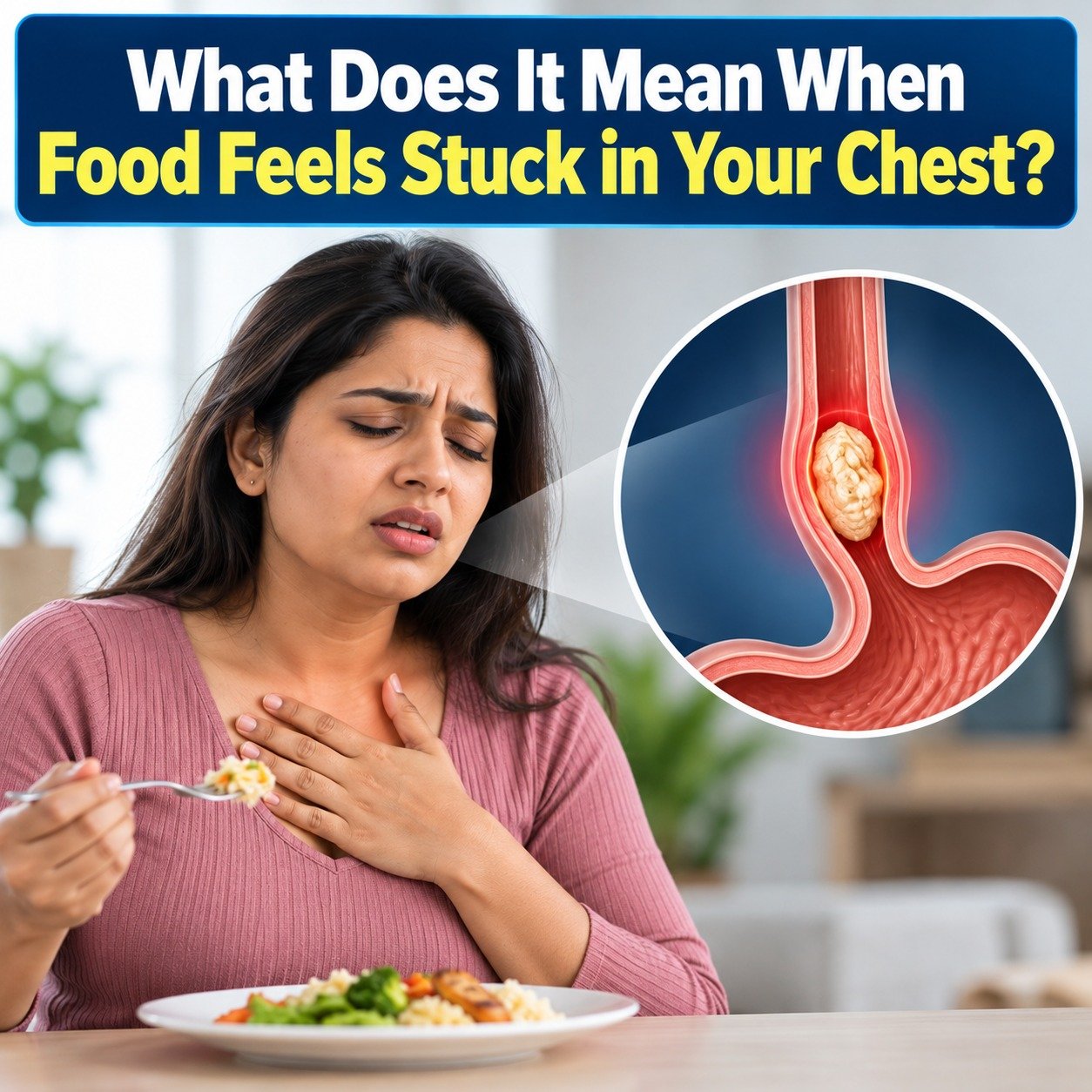
What Does It Mean When Food Feels Stuck in Your Chest?
The food pipe, also called the oesophagus, carries food and liquids from your mouth to your stomach. Its muscles work together to move food downwards. When this process does not work properly, you may feel that food is stuck behind your breastbone or in your chest. This condition is known as dysphagia, which means difficulty swallowing.
Some people experience this problem only with solid foods, such as bread or meat, while others may struggle to swallow liquids. Pain during swallowing, frequent coughing while eating, or food coming back into the mouth may also occur. If you experience these symptoms repeatedly, consult a specialist. A Laproscopic Surgeon in Dombivli can help evaluate digestive symptoms and guide you towards appropriate treatment when needed.
Common Causes of Food Feeling Stuck in the Chest
Several conditions can cause this uncomfortable sensation. The correct diagnosis depends on your symptoms, medical history, and examination.
1. Acid Reflux and GERD
Acid reflux occurs when stomach acid flows backwards into the oesophagus. It can cause heartburn, a sour taste in the mouth, chest discomfort, and irritation while swallowing.
When acid reflux continues for a long time, it may damage the lining of the food pipe. In some cases, this can lead to scarring and narrowing, making it harder for food to pass through.
If you frequently experience heartburn or a sensation of food sticking after meals, consult a doctor instead of relying only on home remedies.
2. Narrowing of the Food Pipe
The oesophagus may become narrower because of long-term acid damage, inflammation, or scar tissue. This is called an oesophageal stricture.
People with this condition may feel that solid foods, particularly meat or bread, are getting stuck in the chest. The symptoms may gradually become more noticeable.
A doctor may recommend an upper gastrointestinal endoscopy to examine the food pipe and identify the narrowing. Treatment depends on the underlying cause and may include medication or a procedure to widen the affected area.
3. Achalasia and Other Swallowing Disorders
Achalasia is an uncommon condition in which the muscles of the oesophagus do not move food down properly, and the lower valve of the food pipe does not relax as it should.
This can cause difficulty swallowing both solids and liquids. Some people also experience regurgitation, chest discomfort, or unexplained weight loss.
Other muscle and nerve-related conditions can also affect swallowing. A specialist may recommend tests such as oesophageal manometry to understand how the muscles are working.
4. Inflammation or Allergic Conditions
Inflammation of the oesophagus can make swallowing uncomfortable. One possible cause is eosinophilic oesophagitis, an inflammatory condition associated with an immune response that may be related to allergies.
People with this condition may experience recurring difficulty swallowing solid foods or episodes where food becomes lodged in the food pipe.
Medical assessment is important because the treatment depends on the cause of inflammation.
5. Oesophageal Rings or Other Structural Changes
Some people have a thin ring of tissue inside the lower oesophagus that narrows the passage. This may cause intermittent difficulty swallowing solid foods.
Other structural changes, growths, or, less commonly, tumours may also obstruct the passage of food.
Persistent or progressively worsening swallowing difficulty, unexplained weight loss, or bleeding requires prompt medical evaluation. These symptoms do not automatically mean cancer, but they should be investigated.
When Should You See a Doctor?
You should arrange a medical consultation if you regularly feel that food is getting stuck in your chest, experience painful swallowing, or notice that swallowing is becoming more difficult over time.
Seek urgent medical care if you experience any of the following:
- Food is completely stuck, and you cannot swallow your saliva.
- You have difficulty breathing or are choking.
- You develop severe or sudden chest pain.
- You experience swallowing problems with significant weakness or other sudden neurological symptoms.
Do not try to force stuck food down by drinking large amounts of water or eating more food. If a complete blockage is suspected, seek emergency care immediately.
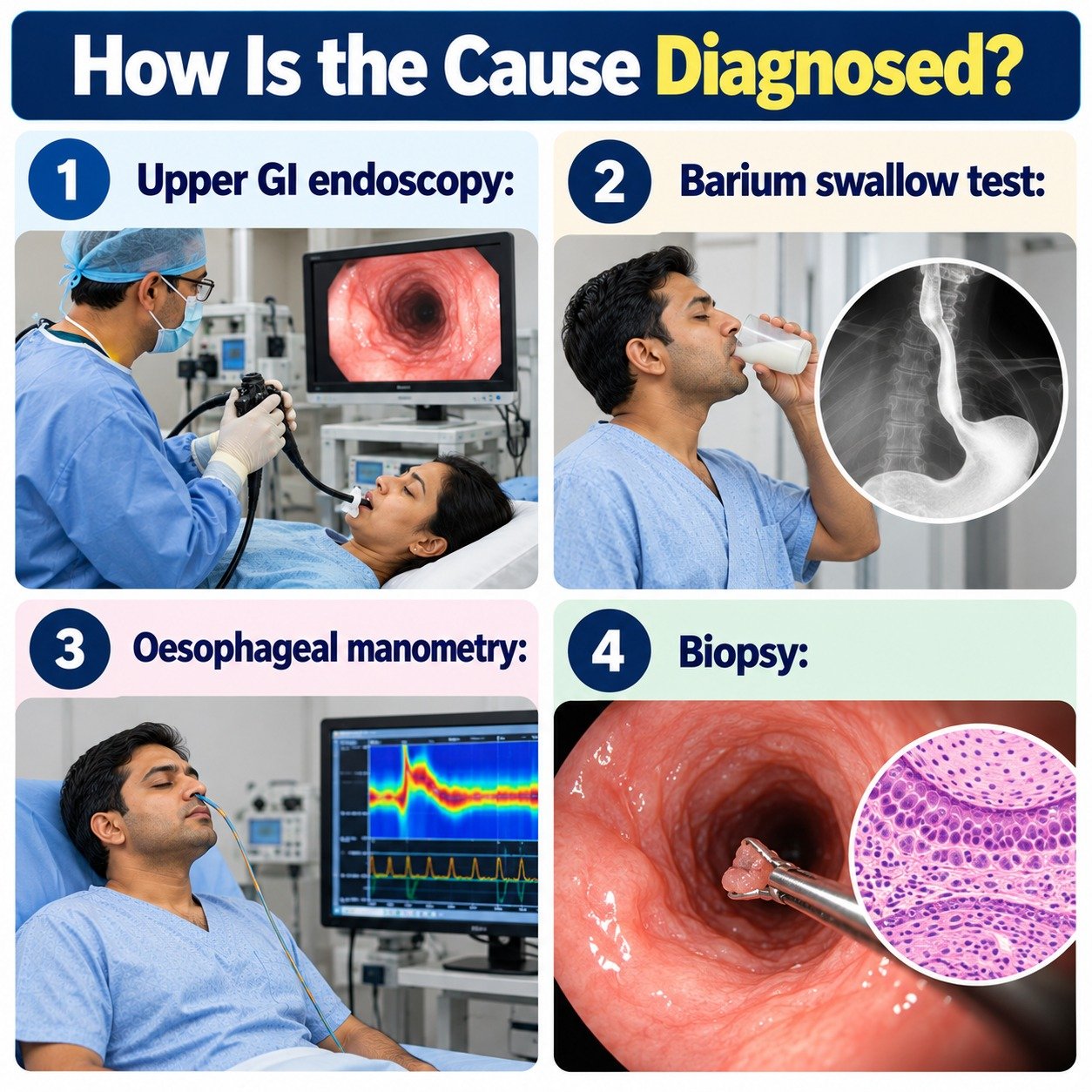
How Is the Cause Diagnosed?
A doctor will first ask about your symptoms, including when they started, which foods cause difficulty, and whether you have heartburn, pain, or weight loss.
Depending on the findings, the following tests may be recommended:
- Upper GI endoscopy: A flexible camera is used to examine the oesophagus and stomach.
- Barium swallow test: Imaging shows how food and liquid move through the swallowing passage.
- Oesophageal manometry: This test measures the pressure and coordination of the oesophageal muscles.
- Biopsy: A small tissue sample may be taken during endoscopy when necessary.
Not everyone needs every test. Your doctor will select the appropriate investigations based on your symptoms.
What Treatment Options Are Available?
Treatment depends on the underlying condition rather than the sensation of food sticking alone.
For acid reflux, a doctor may recommend medicines, changes in meal timing, and avoiding foods that trigger symptoms. Oesophageal inflammation may require specific medication and further investigation.
If the food pipe has narrowed, an endoscopic procedure may sometimes help widen it. Conditions such as achalasia may require specialised treatments, including selected endoscopic or surgical procedures.
For certain gastrointestinal conditions, surgery may be appropriate after a detailed assessment. However, laparoscopic surgery is not a general treatment for every swallowing problem.
If you need a specialist evaluation, you can learn more about the gi surgeon Dombivli services at Jeevanshree Hospital.
Can Lifestyle Changes Help?
Simple habits may help reduce discomfort caused by acid reflux, although they cannot treat every cause of swallowing difficulty.
- Eat slowly and take small bites.
- Chew food thoroughly before swallowing.
- Avoid lying down immediately after meals, especially if you experience reflux.
- Identify foods that trigger your heartburn.
- Follow your doctor’s advice regarding medicines and dietary changes.
Understanding Laparoscopic Surgery and Gastrointestinal Care in Dombivli
Patients searching online for a Laparoscopic Surgeon in Dombivli may be looking for treatment for abdominal or digestive conditions. Laparoscopic surgery is a minimally invasive surgical technique that uses small incisions and a camera to perform selected operations.
It may be used for conditions such as gallbladder disease, certain hernias, and other abdominal problems when clinically appropriate. The procedure recommended depends on the diagnosis and the patient’s overall health.
If your symptoms require a surgical opinion, a qualified doctor can explain whether surgery is necessary or whether medication, endoscopy, or another treatment is more suitable.
People comparing Laparoscopic Surgery in Dombivli should consider the surgeon’s qualifications, experience with the relevant procedure, hospital facilities, and follow-up care.
The Best Laparoscopic Surgeon in Dombivli for an individual patient will depend on the specific medical condition and the expertise required. Similarly, Laparoscopic Surgery cost in Dombivli can vary according to the procedure, hospital stay, investigations, and other medical needs. Ask the hospital for a personalised estimate.
A consultation with a Laparoscopic Doctor in Dombivli can help determine the appropriate next step when a condition requires surgical assessment. For directions and location details, visit
Gastro Surgeon Dombivli
Conclusion
Feeling that food is stuck in your chest can be caused by acid reflux, inflammation, narrowing of the oesophagus, or a swallowing disorder. While occasional discomfort may not indicate a serious condition, repeated or worsening symptoms should never be ignored.
Early medical evaluation can help identify the cause and guide appropriate treatment. If you are experiencing persistent swallowing difficulties, contact a qualified healthcare professional at Jeevanshree Hospital in Dombivli for further assessment. Seek emergency care if food is completely stuck, you cannot swallow saliva, or you have difficulty breathing.
 Previous Post