

Is Your Stomach Pain a Sign of Gastrointestinal Disease?
Stomach pain is one of the most common health complaints, yet it is often ignored until it becomes severe. Many people dismiss it as gas, acidity, or stress, but persistent or recurring discomfort may indicate a deeper issue. If you are experiencing frequent abdominal discomfort, it is natural to wonder is your stomach pain a sign of gastrointestinal disease? This question is important because gastrointestinal (GI) disorders affect the stomach, intestines, liver, pancreas, and gallbladder, and early diagnosis can prevent serious complications. At Jeevanshree Hospital in Dombivli, expert gastro and laparoscopic care under Dr. Rahul Mahadar helps patients understand the root cause of their pain through proper evaluation, testing, and treatment.
Understanding Stomach Pain and the Digestive System
The digestive system is complex, and pain can arise from multiple organs within the abdomen. Stomach pain does not always originate from the stomach itself; it can be linked to the intestines, liver, gallbladder, pancreas, or even reproductive organs. The type, location, and intensity of pain often provide clues about its cause.
Some pain is temporary and harmless, triggered by overeating, spicy food, or stress. However, chronic or sharp pain, especially when accompanied by symptoms like vomiting, bloating, fever, or blood in stool, may signal an underlying gastrointestinal disease that requires medical attention.
Left Side Stomach Pain – What Could It Mean?
When people report left side stomach pain doctors consider several possible causes depending on the exact location and nature of the discomfort.
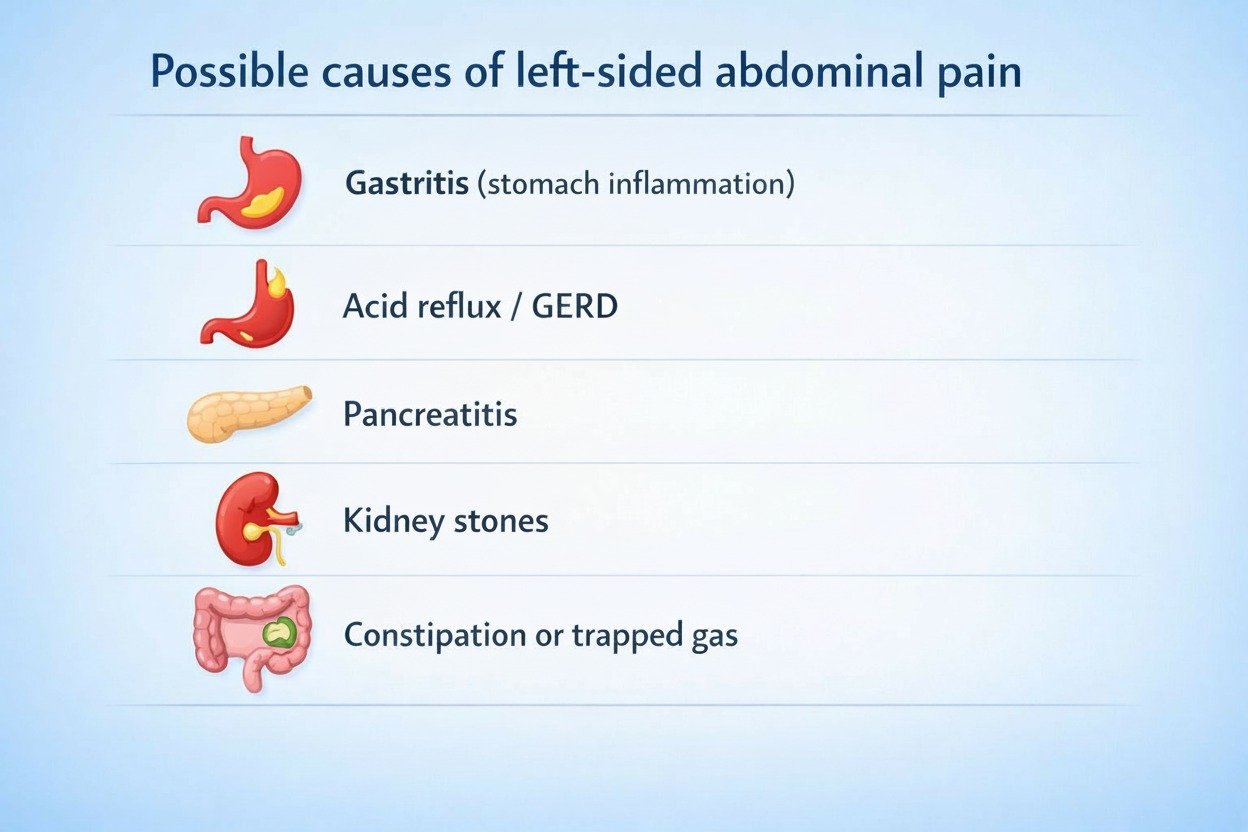
Possible Causes of Left-Sided Pain
Left side stomach pain causes can include:
- Gastritis or stomach inflammation
- Acid reflux or GERD
- Pancreatitis
- Kidney stones
- Constipation or trapped gas
- Irritable bowel syndrome (IBS)
- Diverticulitis (inflammation of small pouches in the colon)
In Females
Left side stomach pain reasons for female may also be related to reproductive health, such as ovarian cysts, endometriosis, or menstrual cramps. If the pain is severe, persistent, or associated with abnormal bleeding, a medical evaluation is essential.
In Males
A common query is left side stomach pain reason for male In men, this pain is often linked to digestive issues, kidney problems, or muscular strain, but it can also signal more serious conditions like pancreatitis or colon inflammation.
Right Side Stomach Pain – Should You Worry?
Many people experience discomfort on the right side of the abdomen and search for the right side stomach pain reason
Common causes include:
- Gallstones or gallbladder inflammation
- Liver infection or enlargement
- Appendicitis (lower right abdomen)
- Kidney stones
- Intestinal blockage
If you feel sharp pain in right side of stomach especially with fever, nausea, or vomiting, it should not be ignored. Early diagnosis can prevent complications like gallbladder rupture or appendicitis perforation.
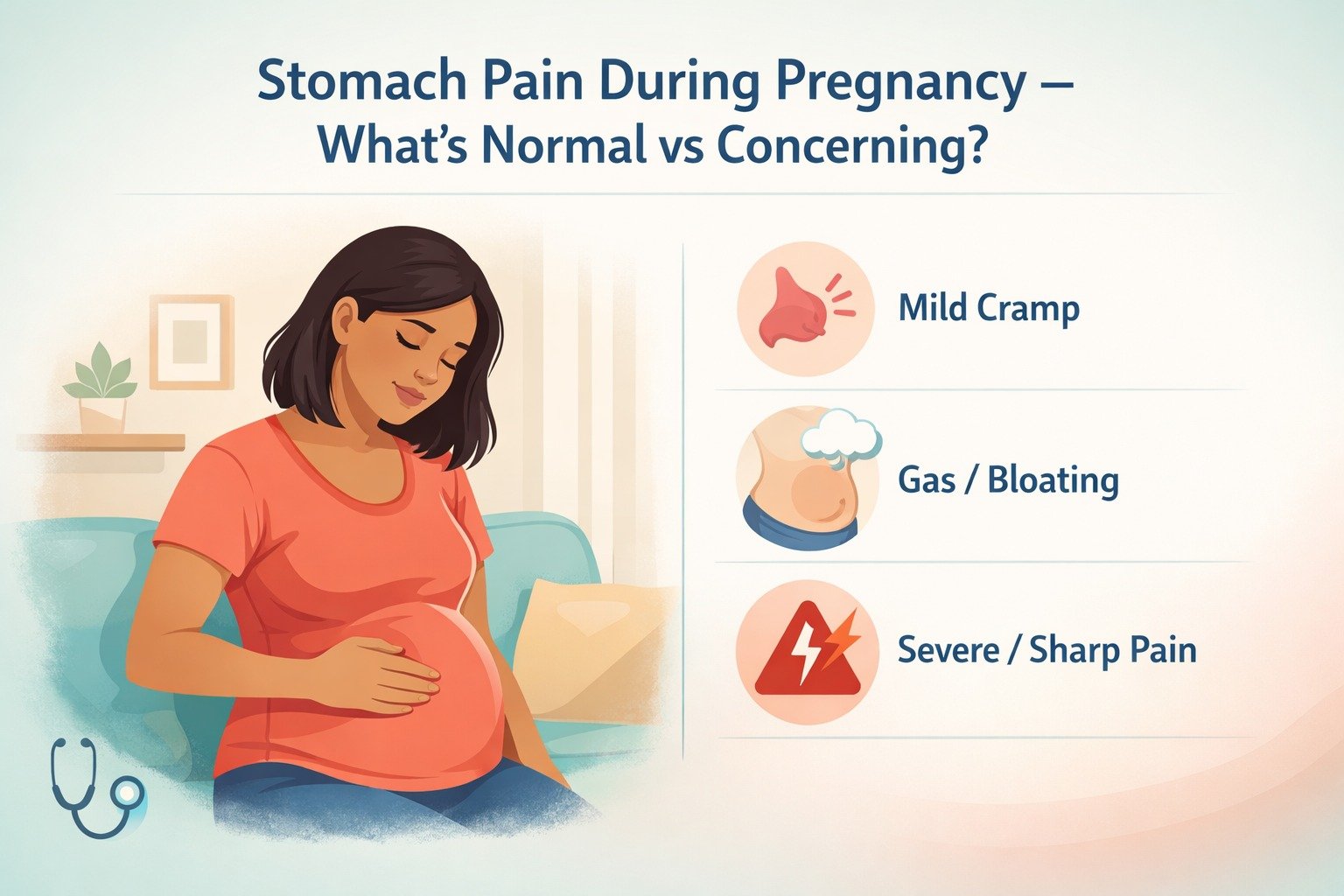
Stomach Pain During Pregnancy – What’s Normal vs Concerning?
Many expectant mothers experience abdominal discomfort, but not all pain is normal. The reason for stomach pain during pregnancy can range from harmless stretching of ligaments to serious conditions such as preeclampsia, ectopic pregnancy, or gallbladder disease.
Mild cramps due to hormonal changes are common, but severe pain with bleeding, dizziness, or swelling requires immediate medical attention. Pregnant women should always consult a specialist rather than self-medicating.
When Does Stomach Pain Indicate a Gastrointestinal Disease?
You should consider professional evaluation if you experience:
- Pain lasting more than a few days
- Recurrent abdominal discomfort
- Unexplained weight loss
- Difficulty swallowing
- Persistent vomiting or nausea
- Blood in stool
- Black or tarry stools
- Severe bloating or distension
These symptoms may indicate conditions such as:
- Gastritis
- Peptic ulcers
- Crohn’s disease
- Ulcerative colitis
- Gallstones
- Pancreatitis
- Colon cancer (in advanced cases)
At Jeevanshree Hospital Dr. Rahul Mahadar uses modern diagnostic tools like endoscopy, ultrasound, CT scans, and blood tests to accurately identify the cause of pain.

How Is Gastrointestinal Pain Diagnosed?
Doctors typically follow a structured approach:
- Medical history review – Understanding symptoms, diet, lifestyle, and family history
- Physical examination – Checking tenderness, swelling, or abnormal masses
- Diagnostic tests – Including ultrasound, endoscopy, or MRI if needed
- Laboratory tests – Blood, stool, or urine tests
This systematic evaluation ensures that treatment targets the actual cause rather than just masking symptoms.
Treatment Options Available at Jeevanshree Hospital
Treatment depends on the diagnosis and may include:
- Medications for acidity, infection, or inflammation
- Lifestyle and dietary modifications
- Minimally invasive laparoscopic procedures
- Surgical intervention in severe cases
Dr. Rahul Mahadar specializes in advanced laparoscopic procedures that reduce recovery time, minimize pain, and leave smaller scars compared to traditional surgery.
In a dedicated section for helpful resources, patients seeking specialized care can explore:
A detailed guide on choosing a Laparoscopic Surgeon Dombivli is available here
For location-based consultation, you can also find Laparoscopic Doctor Dombivli on Google Maps:
Lifestyle Tips to Prevent Stomach Problems
Prevention is always better than cure. Some simple habits that promote gut health include:
- Eating a balanced diet rich in fiber
- Avoiding excessive spicy or oily foods
- Drinking enough water daily
- Reducing stress through yoga or meditation
- Avoiding smoking and excessive alcohol
- Maintaining a healthy weight
- Regular exercise
These habits can significantly reduce the risk of developing gastrointestinal issues..
Why Choose Jeevanshree Hospital?
Jeevanshree Hospital is a trusted healthcare center in Dombivli known for:
- Experienced specialists
- Advanced diagnostic facilities
- Patient-friendly care
- Affordable treatment options
- Modern laparoscopic technology
Under the guidance of Dr. Rahul Mahadar patients receive personalized care tailored to their medical needs.
Conclusion
Stomach pain should never be ignored, especially if it is persistent, severe, or accompanied by other symptoms. Asking yourself whether is your stomach pain a sign of gastrointestinal disease? is the first step toward better health. Early diagnosis and timely treatment can prevent complications and improve quality of life.
If you are experiencing ongoing abdominal discomfort, consult Dr. Rahul Mahadar at Jeevanshree Hospital, Dombivli for expert evaluation and care. Your gut health matters don’t wait until it’s too late.
FAQ
Not always. Mild stomach pain can occur due to gas, acidity, stress, or indigestion. However, persistent, severe, or recurring pain—especially with vomiting, fever, or blood in stool—may indicate a gastrointestinal disease and should be evaluated by a doctor.
Your pain may be serious if you experience:
Pain lasting more than 3–5 days
Severe cramping or sharp pain
Unexplained weight loss
Blood in stool or black stools
Persistent vomiting
High fever
In such cases, consult a gastro or laparoscopic specialist immediately.
Common causes include gastritis, kidney stones, constipation, IBS, pancreatitis, or diverticulitis. In women, it can also be due to ovarian cysts or menstrual issues.
Possible reasons include:
Menstrual cramps
Ovarian cysts
Endometriosis
Ectopic pregnancy
Digestive problems like gastritis or IBS
In men, left-side pain is often due to:
Gas or acidity
Kidney stones
Muscle strain
Pancreas issues
Intestinal inflammation
Right-side pain is commonly linked to:
Gallstones
Liver infection
Appendicitis
Kidney stones
Intestinal blockage
Pain in the right side of the stomach may be caused by gallbladder problems, liver enlargement, appendix inflammation, or digestive infections. Sudden sharp pain requires urgent medical care.
Common reasons include:
- Stretching of ligaments
- Gas and bloating
- Hormonal changes
Serious causes may include ectopic pregnancy, preeclampsia, or gallbladder disease—these require immediate medical attention.
You should see a doctor if you have:
Severe or worsening pain
Fever
Vomiting blood
Black stools
Dizziness or fainting
Yes. Many GI problems are treated with medication, diet changes, and lifestyle modifications. Surgery is required only in severe cases like gallstones, appendicitis, or intestinal blockage.
 Previous Post