
Qualifications
-M.S [Surgery] D.G.O..D.Pharm
-Diploma in Adv. Laparoscopic Surg.(Ind)
-Fellow of Minimal Access Surgeon [FMAS] (Ind)
-Diploma Chirurgie in Laparoscopy(France)
-Fellow of IAGES (FIAGES)
-Fellowship in GI CancerSurgery (Korea)
-Fellowship Of International Bariatric Club (FIBC/USA)
-Fellowship Of 3rd Stage Endoscopy & Therapeutic Endoscopy, China

Speciality
-Gastro-Intestinal Surgery & General Surgery

Education
MBBS, M.S.{Sug},DGO,D.P.H
|
Degree |
Parent Institution |
Year |
University |
|---|---|---|---|
| M.B.B.S. | Govt.Medical College, Miraj | April 1993 | Shivaji University, Kolhapur |
| D.G.O. | Dr. V.M.M.C. Sholapur | May 1996 | Shivaji University, Kolhapur |
| M.S.[SURG] | Govt.Medical College, Miraj | November 1999 | Shivaji University, Kolhapur |
| D. PHARM | G.P.C. Karad | August 1988 | Board of Tech.Exam.Mumbai |
All Degrees recognized by National Medical Council of India.
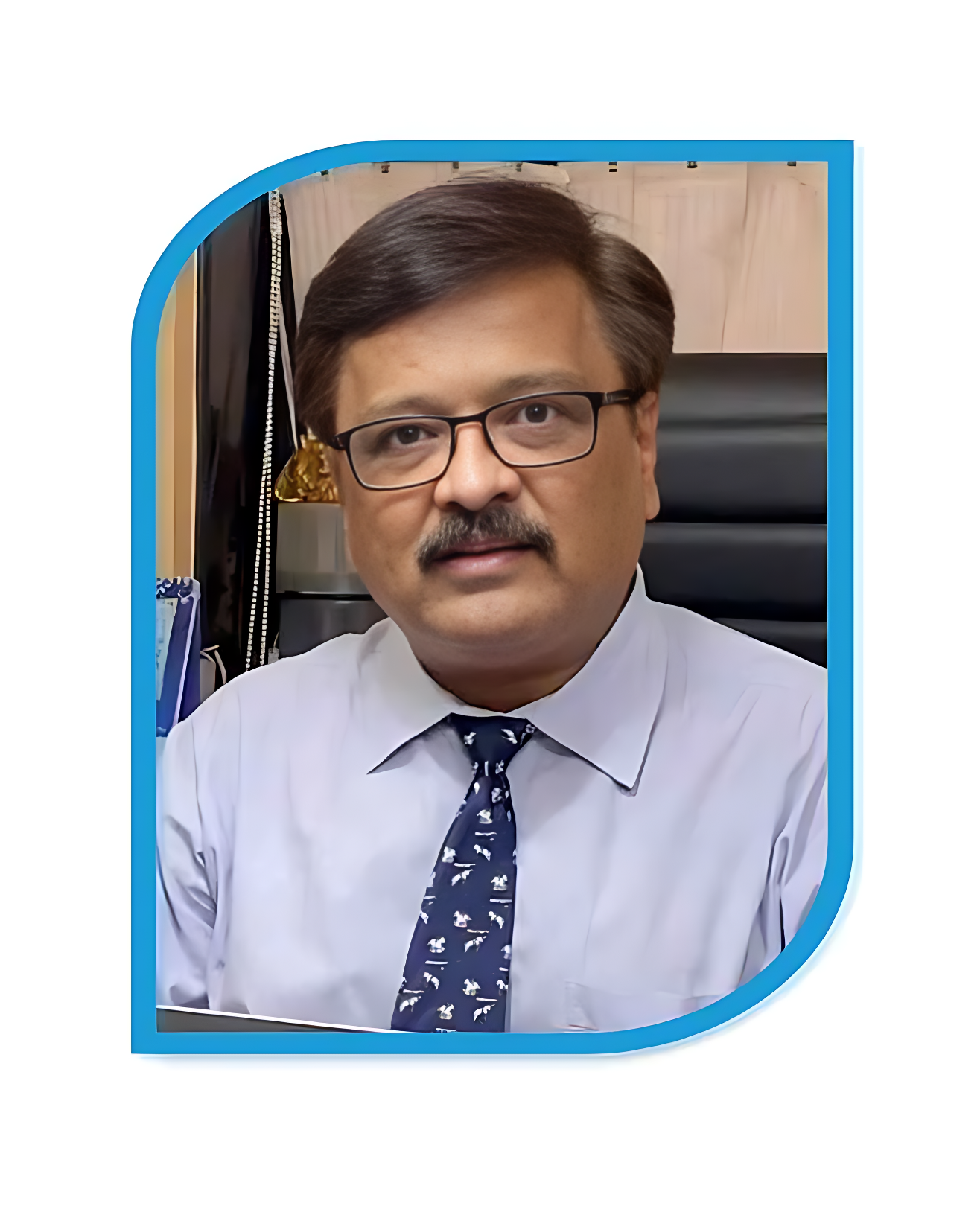
Dr. Rahul Mahadar is a Senior Gastrointestinal Surgeon, very passionate about his work in the field of Gastrointestinal Surgery, Bariatric Surgery and Abdominal Wall Reconstruction Surgery.
He is practicing since last 24 years & done more than 15,000 complex difficult surgeries by Laparoscopic technique.
He is nationally as well as internationally recognized for his skills & his work.
He is Teaching Faculty for Abdominal Wall Reconstruction Surgery (Advanced Hernia Surgery) & Advanced Laparoscopic Surgery worldwide. He has conducted many teaching workshops for Surgeons nationally as well as internationally.
He has completed his MS (Master of Surgery) from Govt. Medical College, Miraj and also completed Diploma in Obst. & Gynae from VMMC, Solapur . After that he has successfully completed International Fellowships in field of Minimal Access Surgery & Gastrointestinal Surgery from France (Diplomat Chirurgi Laparoscopic Surgery) – Fellowship in Advanced Bariatric Surgery from USA & Taiwan; Advanced Colorectal Surgery from Seoul, Korea; Fellowship in Advanced Therapeutic Endoscopy from Shanghai, China; Done Fellowship in Advanced Laparoscopic Surgery from India.
He is Life member of various surgical organizations like AMASI; IAGES; ASI; AWRSC, IMA, AMC etc.
He is founder member of AMASI & AWRSC organizations.
He is one of the pioneer members, who first started MIS Abdominal wall Reconstruction Surgery in this part of India.
He has published many papers in International Listed Journals in the field of Advanced Hernia Surgery.
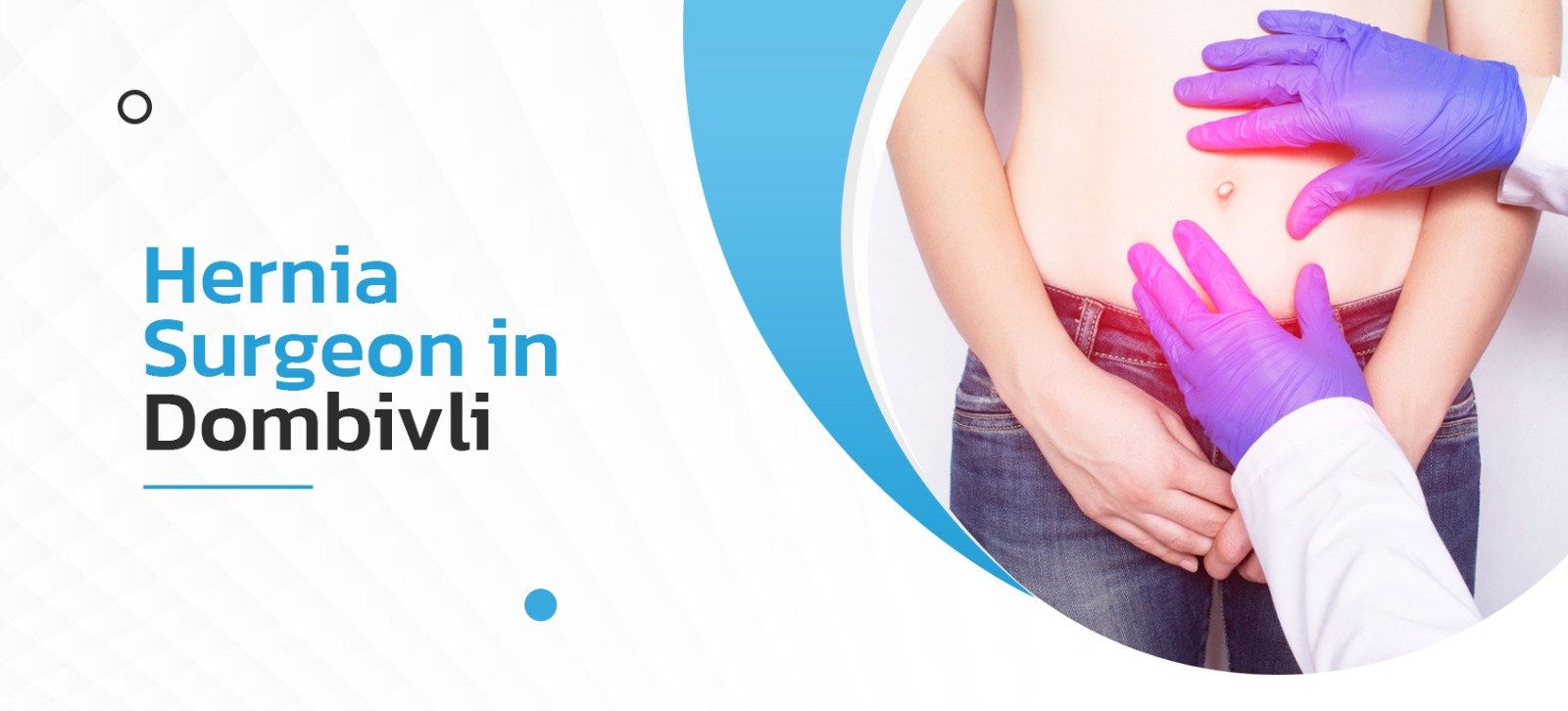
Hernia Treatment
A hernia occurs when an internal organ pushes through a weak muscle wall, causing pain or swelling. Our expert surgical team offers advanced diagnosis and minimally invasive treatment options for safe, effective recovery.
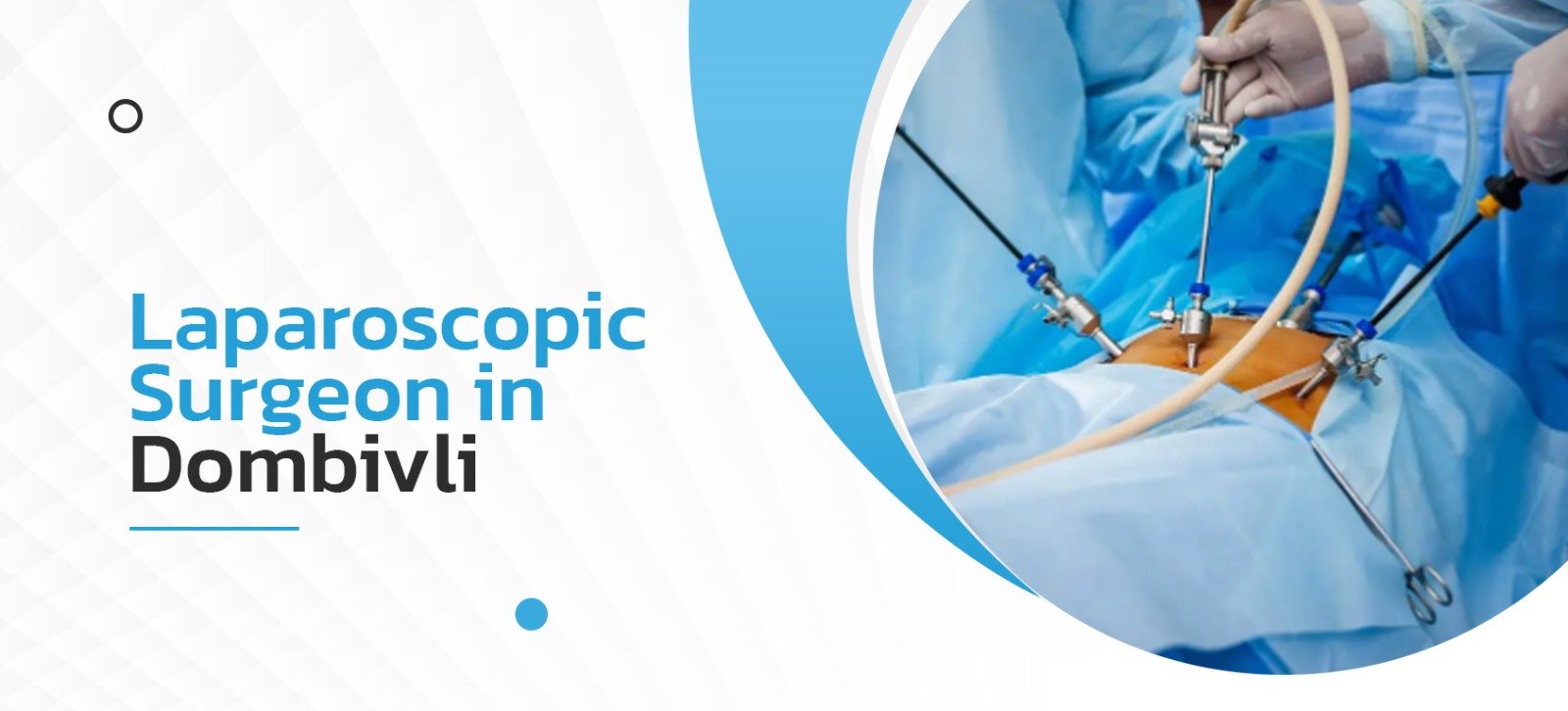
Laparoscopic Surgery
Laparoscopic surgery is a minimally invasive technique using small incisions and advanced instruments. It ensures less pain, minimal scarring, faster recovery, and a shorter hospital stay, helping patients return to normal life quickly and safely.
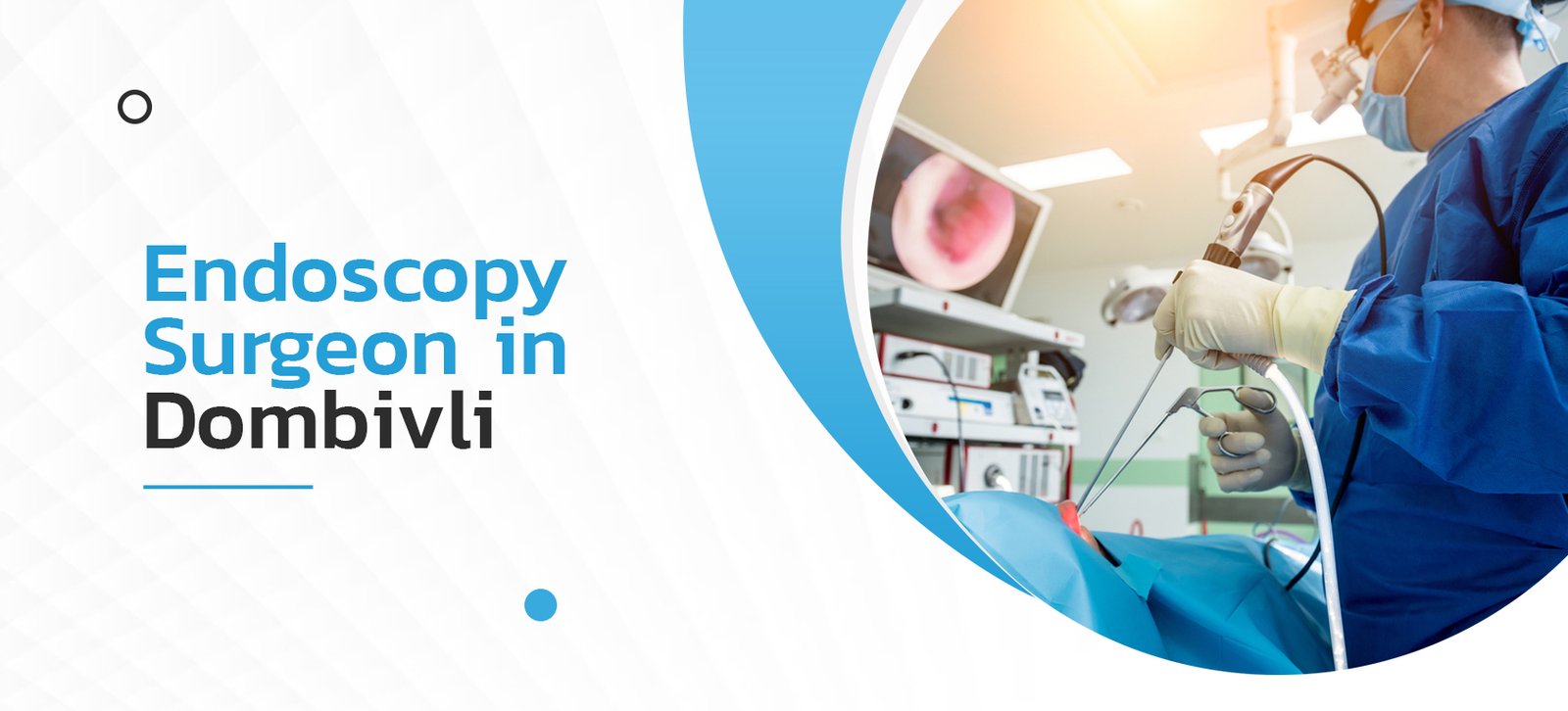
Endoscopy
Endoscopy is a diagnostic procedure that helps detect digestive problems without surgery. It allows doctors to examine the stomach and intestine accurately, ensuring early diagnosis, targeted treatment, and better outcomes with minimal discomfort.
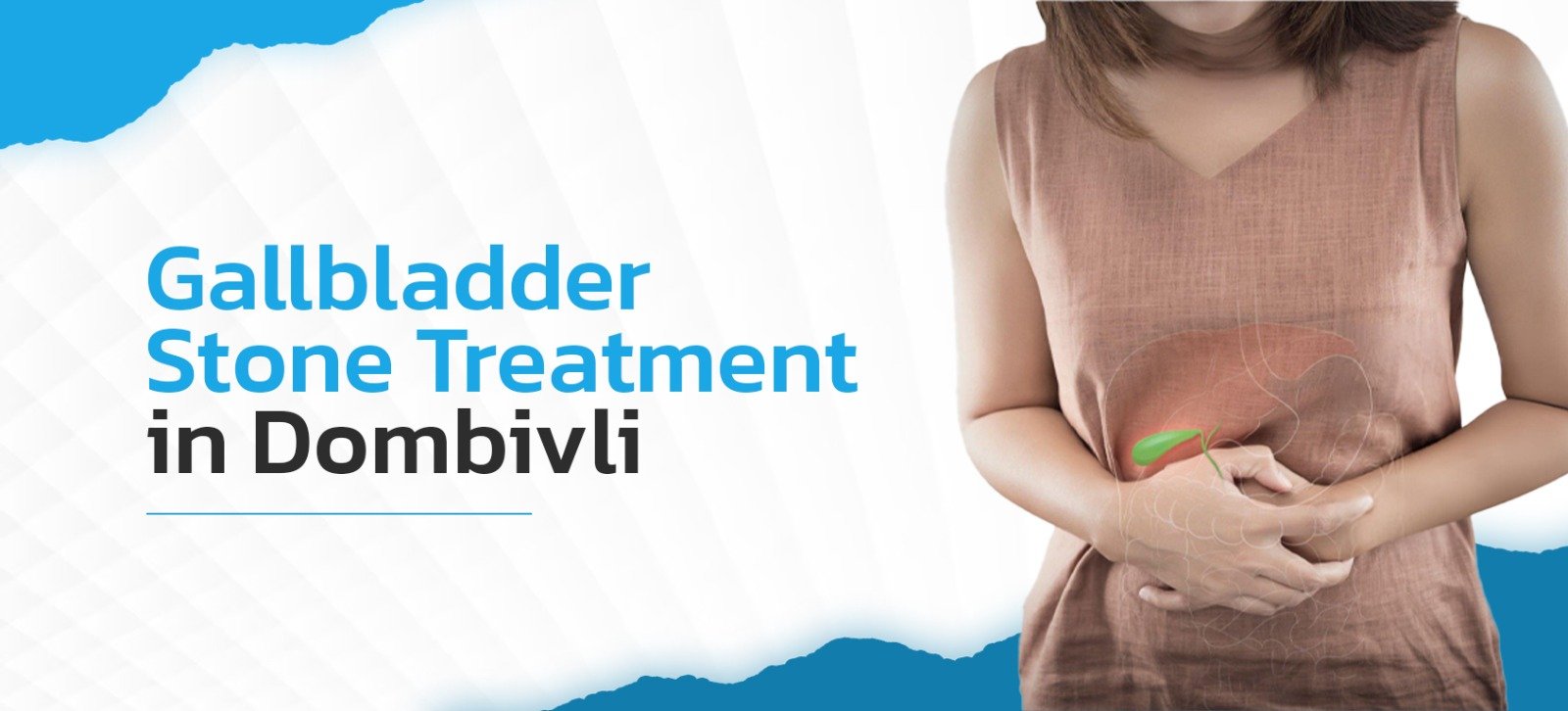
Gallbladder Treatment
Gallbladder problems like stones can cause severe pain and digestion issues. We provide accurate diagnosis and advanced laparoscopic gallbladder surgery for safe removal, quick recovery, and long-term relief from symptoms.
- Enrolled as faculty memberat “Ethicon Institute of Surgical
- Education(ESIE)” for Ethiskills & “Basic Laparoscopic Surgery Training Programmes”
- Procter for Minimal Invasive Procedure for Hemorrhoids. Received training from Inventor of the procedure Prof. Antolini Longo at Rome,Italy in June 2008.
- Faculty for Basic & Advanced Laparoscopic Surgery at Ethicon Institute of Surgical Education, Mumbai
- Faculty for Laparoscopic Hernia Surgery at Ethicon Institute of Surgical Education, Mumbai.
- Faculty for Laparoscopic Hernia Surgery at Covidien Center of Innovation, Mumbai, India,
- Faculty for “ Abdominal Wall Reconstruction Surgeon” group, India.Currently Vice-President of ‘Abdominal Wall Reconstruction Surgeons’ community.
- Faculty for colorectal surgery at Covidien Center of Innovation, Mumbai, India.
- 6 Moths experience in Infertility Clinic in obst. And Gyn. Department, Dr. V.M.M. College, Solapur
- 1 Year experience in Obstratric and Gynecological radiology- Ultrasonography at department of obst. Gny. Dr.V.M.M.C Solapur.
- Worked as Registrar in ENT Department for 6 months at General Hospital Sangli, and Govt. Medical College, Miraj
- Worked as Registrar in Cobalt Radiotherapy Department for 6 months at General Hospital Sangli, and Govt. Medical College, Miraj
- 2 Year Registrar in Pediatric Surgery Dept.Under Dr. Sudhakar Jadhav, Eminent Pediatric Surgeon and Hon-Prof. Dept. of Surgery, Govt. Medical College, Miraj
- 1 ½ Year Lecturer in Department of Surgery, Terana Medical College, Navi Mumbai.
* Conducted Successfully 1st AWR(Abdominal Wall Reconstruction) Live operative Workshop & Training in Mumbai. Aug 2017.
* Conducted Successfully 1st Live e-TEP TAR procedure in 1st AWR conference held in Kolkata May 2017.
* Completed successfully more than 15,000 Advanced & Routine Laparoscopic Surgeries until now.
- Basic training of Laparoscopic Surgery during Residency in Gynecology Dept at V.M.M.C Sholapur.
- Basic training of Laparoscopic Surgery training at Ethicon Institute of Surgical Education, Mumbai
- Advance Laparoscopic Surgery training at National Training and Research Institute G.E.M. Hospital India [P] Ltd., Coimbatore, India. And Awarded Diploma in Advanced Laparoscopic Surgery
- Awarded ‘’Fellowship Minimal Access Surgery [FAMS] 2007 after passing Fellowship examination held inAIIMS, New Delhi [NOV 2006]by Association of Minimal Access Surgeons of India
- Awarded “Diploma Chirurgie in Laparoscopy”in September 2008 after passing Examination held in IRCAD, Strasbourg (France) by University of France Republic-University Louis Pasteur,Strausbourg
- Completed Successfully Intense Training in Minimal Access Surgery at IRCAD- EITS Louis Pasteur University France in September 2008.
- Basic and Advanced Instructional Course in Colo-Proctology in 2001
- Elected International Member of American Society Of Gastrointestinal Endoscopy
- MIPH Master Programme with Prof. Longo in Italy 2008.
- Successfully completed 1st International Hands on Course in Laparoscopic bariatric &Metabolic Surgery course held in AITS / IRCAD, Taiwan in March 2010.
- Awarded Honorary “Fellowship of Indian Association Of GastroEnterological Surgeons” in 2010 (FIAGES)
- “Fellowship in GI Surgery & Colo-Rectal Cancer Surgery” at Samsung Medical, Centre Seoul, South Korea in October 2014.
- “Third Space Endoscopy,ESD & Tunnel Endoscopic Technique” Fellowship Training at Zhongshan Hospital, Fudan University, Shanghai, China in 2016.
- Mini Fellowship course in TAR procedure For “Complex Abdominal wall Hernia Surgery “ at University Hospital care Medical Centre, Cleveland,Ohio, USA in 2016 & Faculty For Abdominal Wall Reconstruction (AWR Surgeons) In India.
- Awarded Fellowship Of International Bariatric Club (FIBC) after Passing Examination & Training course conducted by IBC Academy & Duke Metabolic & Weight Loss Surgery (USA) in April 2017.
- Rare Causes of lower Urinary Tract obstraction in children MASICON Feb.2000.
- Four cases of Gastic Teratoma Padiatric age group MASICON Feb.2000
- Study of comparison of Light weight & Heavy Weight mesh in Laproscopic Inguinal Hernia Surgery.
- “Surgery in GERD – When & How” in 6th Global Gastroenterologists Meeting ( 2016) in August 11-12, Birmingham, UK.
- Clinical Profile and Management of Perforated Peptic Ulcer A Retrospective and Prospective study
- Founder Member of ASSOCIATION OF MINIMAL ACCESS SURGEONS OF INDIA[AMASI]
- Life Member of THE ASSOCIATION OF SURGEONS OF INDIA [ASI]
- Life Member of INDIAN ASSOCIATION OF GASTRO INTESTINAL ENDOSURGEONS.[IAGES]
- Life Member of ASSOCIATION OF MEDICAL CONSULTANTS.[AMC]
- Life Member of SURGICAL SOCIETY, THANE.
- Life Member of D2K SURGEON ASSOCOATION.
- Member of G.I. Club. Thane.
- Life Member of IMA, Dombivli Branch &was Secretary IMA Dombivli For year 2012-2013.
- Life Member of ASIA PACIFIC HERNIA SOCIETY.(APHS)
- Life Member ofHERNIA SOCIETY OF INDIA.
- “PIONEER CIRCLE MEMBER” OF MINIMAL INVASIVE PROCEDURE FOR HAEMORRHOIDS.
- Laparoscopic Appendisectomy
- Laparoscopic Choleystectomy
- Laparoscopic Pyloroplasty
- Laparoscopic J.Truncal Vagotomy
- Laparoscopic Highly selective Vagotomy
- Rectal Prolapse Repair – Laparoscopic
- Laparoscopic Total Gastrectomy
- Laparoscopic Partial Gastrectomy
- Laparoscopic Lt Colectomy for Cancer as well as benign conditions.
- Laparoscopic Rt Hemicolectomy for IC Koch’s & Cancer conditions.
- Laparoscopic Fundoplications-Neisson’s & Toupe(partial)
- Ventral Hernia Repair (Lap.ventral Hernia Repair)
- Inguinal Hernioplasty [TEP,TAPP]
- LAVH
- Wartheim’s Hystrectomy for Uterine Cancer
- Total Laparoscopic Hysterectomy
- Laparoscopic Ectopic Pregnancy Excision
- Laparoscopic ovarian cyst, Cystectomy or Oophorectomy for tumours & To Mass Excision
- Laparoscopic Pyeloplasty
- Laparoscopy assisted PCNL
- Laparoscopic Surgery for Intestinal obstruction and DU perforation.
- Laparoscopic Splenectomy
- Laparoscopic Surgery For Carcinoma Oesophagus
- Laparoscopic Cystogastrostomy For Pancreatic Psedocyst
- Laparoscopic Excision of Hydatid Cyst of Liver
- Laparoscopic Varicocelectomy
- Laparoscopic Paediatric Surgery
- Laparoscopic Orchidopexy
- Laparoscopic Sleeve Gastrectomy
- Laparoscopic Gastric Bypass Surgery
- Thoracoscopic Biopsy
- Thoracoscopic Decortication
- VATS Procedures
- Laparoscopic PCS with TAR for complex ventral Hernia
- E-TEP repair
- E-TEP RS procedure For complex incisional Hernia
- Thoracoscopy
- VATS-Lobectomy-Lung Resection
- Laparoscopic Retroperitoneal LN Resection
- Endoscopic Mucosal Resections For Barrett’s Oesophagus
- Endoscopic Submucosal Resections For Colonic polyps & early Cancers
- ERCP ( Biliary & Pancreatic)
- Endoscopic drainage of Pancreatic Pseudocysts
- Endoscopic Palliative procedure for Benign & Malignant conditions
- Endoscopic Foreign Body Removal
OBESITY & HERNIA
Common Myths, Facts & Modern Treatment Options
| MYTH | FACT |
|---|---|
| A hernia is only a small lump. If it doesn’t hurt, I can ignore it. |
Not every hernia requires immediate surgery, but every hernia deserves proper evaluation. Some remain stable for years, while others gradually enlarge and become more difficult to repair. Occasionally, bowel or other abdominal contents can become trapped, causing obstruction or strangulation—an emergency situation. A painless hernia should therefore not automatically be considered a harmless hernia. |
| My hernia happened only because I am obese. |
Obesity is an important risk factor, but rarely the only cause. Previous abdominal surgery, wound infection, pregnancy, ageing, smoking, chronic cough, constipation and weakness of the abdominal wall can all contribute. Obesity can also make a hernia larger and increase the risk of wound problems and recurrence after surgery. |
| If I am obese, hernia surgery cannot be done. |
Obesity does not automatically rule out hernia surgery. What matters is careful assessment and planning. For elective surgery, weight reduction, good diabetes control, stopping smoking, improving nutrition and increasing physical activity can significantly improve outcomes. In selected patients with severe obesity, a staged approach—or occasionally combining bariatric and hernia treatment—may be considered. However, an obstructed or strangulated hernia is an emergency and should not be delayed simply for weight loss. |
| Hernia surgery means just putting a mesh over the defect. |
Modern hernia surgery has moved beyond simple “patching.” In larger, recurrent or complex hernias, Abdominal Wall Reconstruction (AWR) aims to bring the muscles and tissues back towards their natural position, close the defect whenever appropriate, reinforce the repair and restore abdominal wall function. Advanced techniques such as component separation and Transversus Abdominis Release (TAR) can help reconstruct even very large or complex abdominal wall defects. |
| All large hernias require a big open operation. |
Not necessarily. Open Abdominal Wall Reconstruction remains an excellent and sometimes essential option, particularly for very large or complicated hernias. But advances in Minimally Invasive Surgery (MIS) have made it possible to perform abdominal wall reconstruction through small incisions in selected patients. Techniques such as eTEP (extended-view Totally Extraperitoneal repair) and minimally invasive TAR allow surgeons to work within the layers of the abdominal wall, reconstruct the defect and place a large mesh outside the abdominal cavity. For appropriately selected patients, MIS may offer smaller wounds, less wound-related morbidity and faster recovery. The best operation, however, is not always the smallest incision—it is the operation best suited to that individual patient and hernia. |
| Once a hernia has come back, nothing much can be done. |
Recurrent hernias can be challenging, but many can be successfully treated. Modern imaging, understanding of abdominal wall anatomy and advanced reconstruction techniques allow us to manage hernias that were previously considered extremely difficult. The key is to identify why the previous repair failed and plan the next operation accordingly. |
THE MESSAGE TO REMEMBER
Obesity and hernia should be treated as a complete health problem—not simply as a lump in the abdomen.
Early consultation allows time for weight management, diabetes control, nutritional optimisation and proper surgical planning.
Modern hernia treatment ranges from conventional open repair to advanced open and minimally invasive Abdominal Wall Reconstruction. There is no single operation that is best for everyone.
The goal is not merely to repair the hernia—it is to create a strong, functional abdominal wall and achieve a durable repair with the lowest possible risk.
If you notice a new abdominal swelling, increasing pain, sudden enlargement, vomiting, abdominal distension, or a swelling that becomes painful and cannot be pushed back, seek medical attention promptly.